




Capsicums & Chillis
Grow
Capsicum annuum, Sweet pepper, Chilli pepper
Capsicums and chilli peppers are tasty and eye-catching members of the tomato and potato family suitable for a pot or a bed in a warm and sunny spot. Their fruits come in all shapes and sizes from squat and boxy to slender bananas and the classic heart-shape. Colours are just as varied, all start out as green and then mature to a range of reds, oranges, yellows, greens, chocolate brown and black.
In a nutshell
- Warm sunny spot
- Rich fertile soil
- Shelter from wind
- Colourful fruits
- Can be grown in pots
Quantity
1 capsicum plant per person. 1 chilli plant per 4 people.
Companions
- Basil
- Tomato

The growing lifecycle
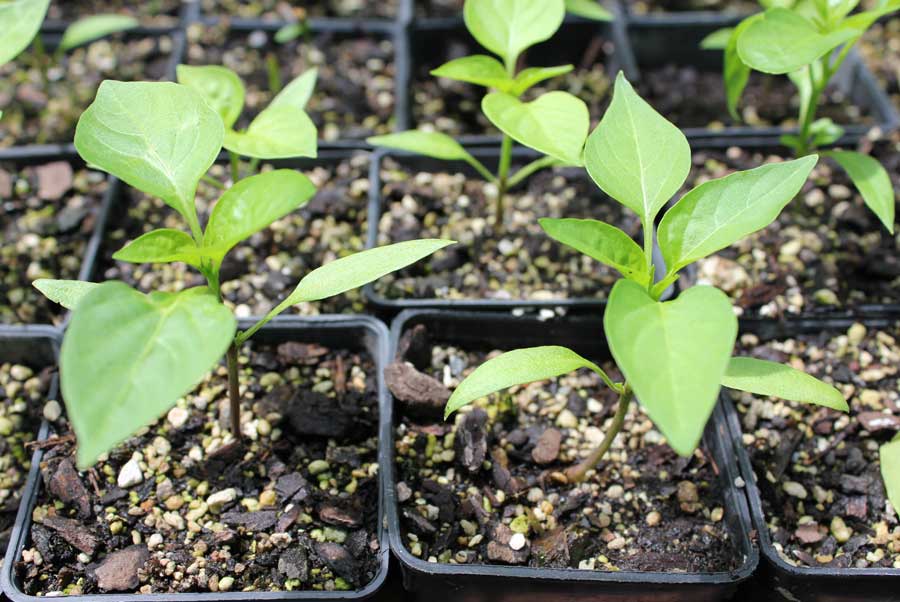
Capsicum seedlings in pots ready for planting out
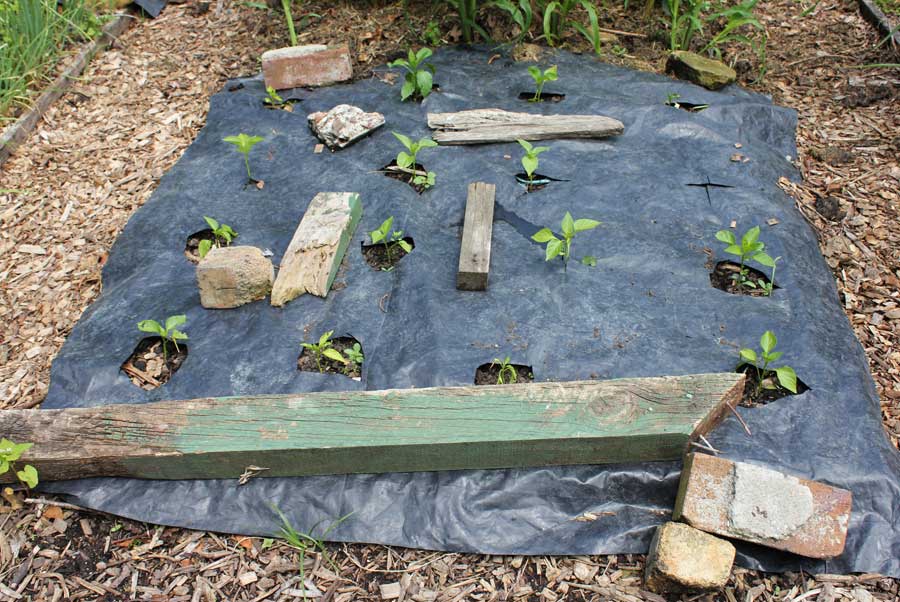
Capsicum seedlings in-situ with a mulching layer of recycled plastic sheeting

Young green peppers
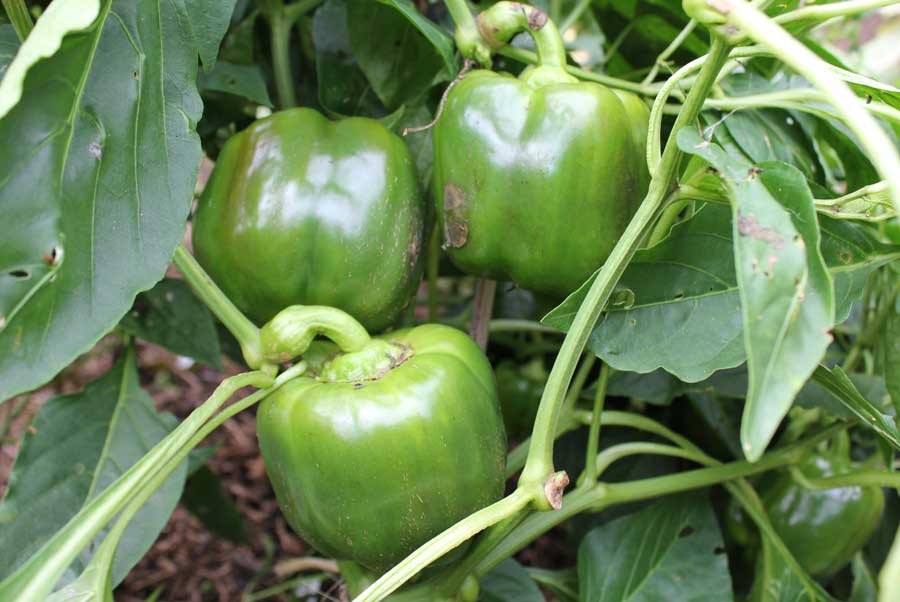
Maturing sweet peppers
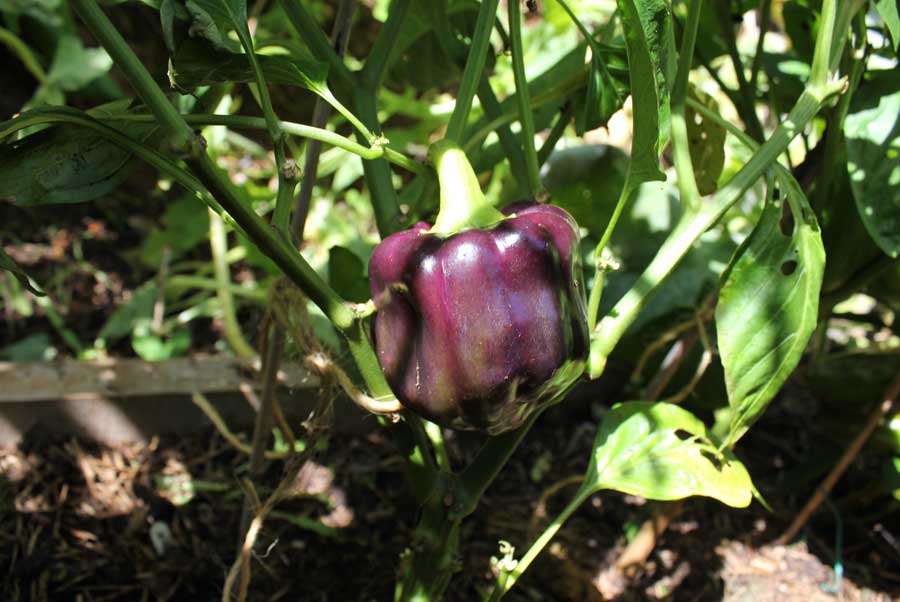
Rich purple sweet pepper
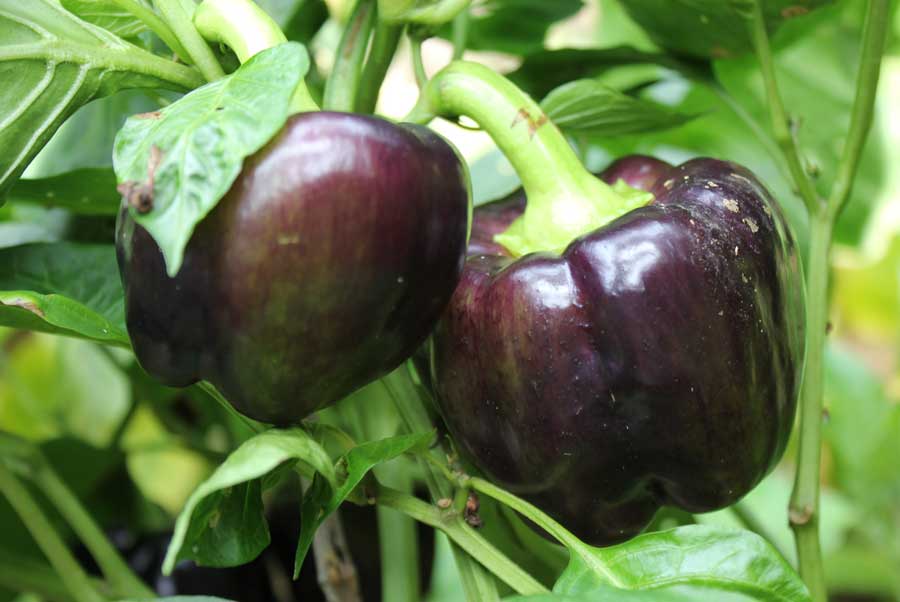
Sweet peppers ripe and ready for the kitchen

Chilli peppers ripening
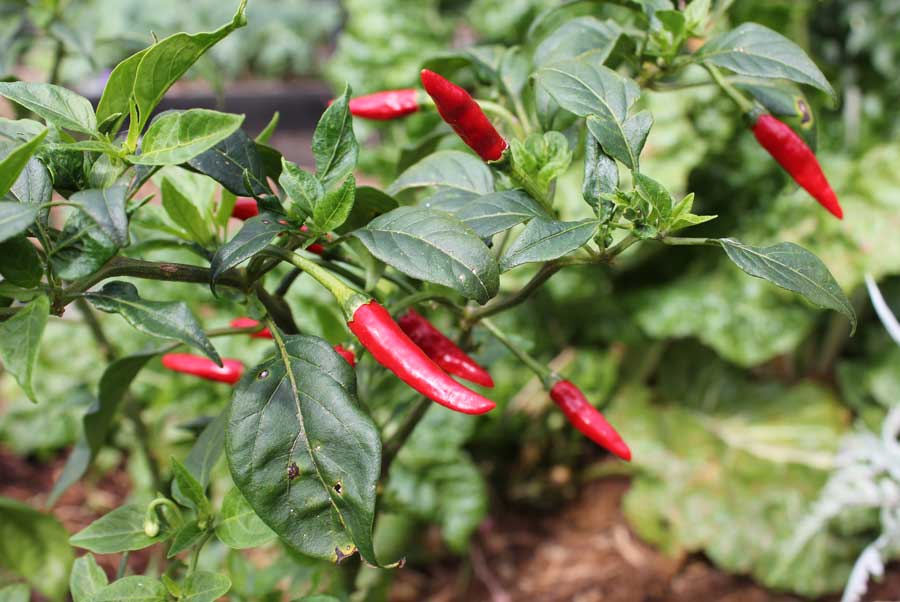
Hot red chillies ready for harvest

Mexican Hat Chilli
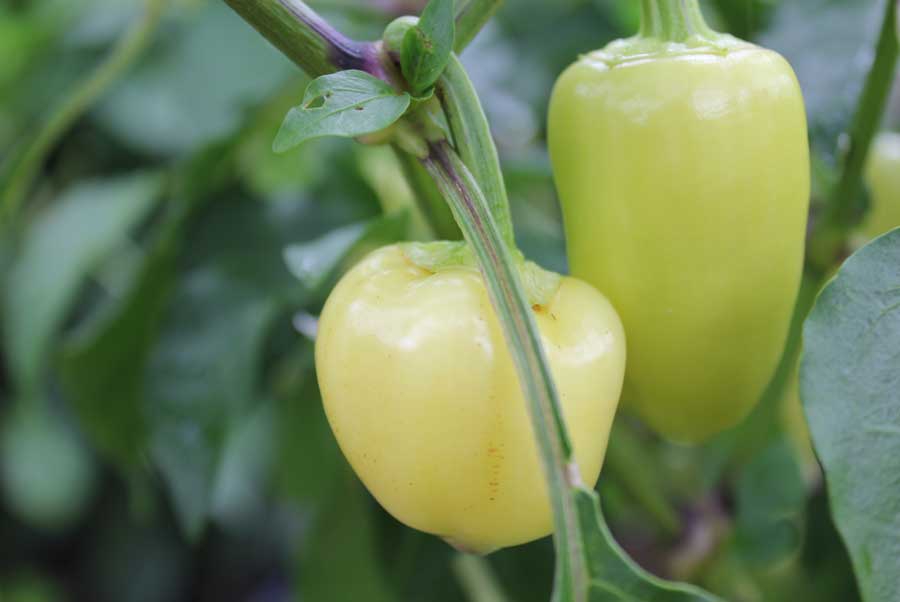
Translucent sweet peppers

Small Yellow Chilli
Top 6 varieties
1. Corno Di Toro
This sweet Romano pepper is a prolific producer of large pointed red fruits ‘Bull's horns' that are great raw or cooked. Plants may need staking.
2. Sweet Chocolate
An early fruiting sweet pepper variety that produces a plentiful crop with a stunning deep chocolate colour.
3. Californian Wonder
A sweet pepper variety whose plants produce a mass of red and green fruits. Grow in a greenhouse for best harvest.
4. Anaheim Chilli
Produces a modestly hot chilli, harvested when full size (about the length of your hand from base of palm to tip of fingers) but still green. Can be stuffed.
5. Tabasco Chilli
A classic fiery, smoky pungency. The classic chilli of the spicy sauce common in many kitchens.
6. Bhut Jolokia
One of the hottest chillis in the world, 2 to 3 times hotter than the hot 'Habanero' chilli - not for the faint hearted!
Getting started
When
Capsicums are quite delicate plants and require plenty of warmth so they are generally grown inside greenhouses or poly-tunnels for the most reliable harvests. Here they can receive the full heat of the sun and protection from damaging winds. Plant outdoors in milder areas against a south-facing wall and see how they perform. Sow in mid-February to March if growing indoors and in April for growing resulting seedlings outdoors. When cultivating outdoors be sure to wait and hold off from planting until all risk of frost has passed.
Where
Best grown in a poly-tunnel or greenhouse. But its still worth growing these plants outdoors if you choose a site that gets plenty of sun and has shelter from strong winds (which can damage these slightly brittle plants) – perhaps a spot against a warm south-facing fence or wall that can reflect heat of the sun throughout the day. If you are growing in a container then this might give you the flexibility you need in choosing the best location. Plants reach to an average of about knee height and some of the larger fruiting varieties may need staking.
Soil
Capsicums and chilli peppers are hungry, ‘gross feeders’. They need a nutritious soil that has been well dug through with rich rotted compost. Soil should also drain freely and not hold onto surface moisture for more than about a day after hand watering or a dousing of rain.
Sow & plant
Sow
Sow indoors or in a greenhouse: Sow seeds as deep as they are wide (so pretty shallow due to small size of seeds) in loose, free-draining seed compost, spread out in a seed tray. Water carefully and keep compost moist as seeds germinate (usually within 10 days). Grow until seedlings have formed two true leaves (the slender, veined leaves that will appear after the initial seedling leaves have developed). The seedlings are now ready to be transplanted into separate small pots around the height of a coffee mug and grown on until they have reached the same height as the pot they are in. At this stage they should be large enough to go into the garden or greenhouse. This will normally take about four weeks in total if all goes well.
If you are in a cooler part of the country you may need to ‘harden off’ your home-sown seedlings before you plant them outdoors. This involves gently acclimatising them to outdoor temperatures over a period of weeks. A cold frame comes in handy for this – seedlings go into the frame with the lid shut for a day or so and then with lid open for a day or so but shut at night. Then seedlings are placed outdoors during the day and back inside the frame over night for a few days until eventually they are accustomed to the cooler overnight temperature outdoors and ready to plant.
If this all sounds a bit fiddly then you can simply purchase individual seedlings from a garden centre. These will only appear when conditions for planting are right in your area and at a few quid a piece they still make the whole exercise of growing capsicums and chillies economical. I do this so that I can grow a variety of different capsicums and chillies to suit my mood without having heaps of unused seed from packets that I have only taken a few seeds from.
Plant
Capsicum seedlings are planted in the cover of a greenhouse or poly tunnel from mid-February onwards. For outdoor planting you will need to wait until all threat of frosts has totally passed and general overnight temperatures have warmed up. This can be brought forward by using cloches in warmer areas. Seedlings should be spaced about a full arm’s length apart and can be planted deeply so that soil is pushed up against their stems – but not over the leaves. Push in a sturdy bamboo cane just behind each seedling for support. Cover seedlings with a plastic bottle cloche that you can remove once foliage has outgrown its confines and reliably warm summer days have become constant.
Capsicums and chilli peppers grow well in pots which means you can position them where your garden will offer them the best growing conditions. Ensure you fill your pot with a nourishing mix of rich vegetable planting compost with kitchen compost, worm compost, chicken poo or rotted horse manure mixed into it. Soil should look like a meaty muesli once you have added the ‘goodies’. Feed each plant with half a watering can of liquid seaweed, comfrey or worm juice every fortnight once flowers have opened.
Maintain
As your plants grow, tie them carefully onto bamboo canes to support their stems. They are brittle and can be damaged by wind and, later on, the weight of their fruits can cause them to become unsteady. Ensure your important ties are supportive but not so tight that they squeeze and damage the stems. Tie round the cane first and then round the stem below leaf joints.
As soon as flowers start to open give plants at least half a watering can of liquid seaweed, comfrey or worm juice every two weeks.
Good ventilation (in poly tunnels and greenhouses), removal of any damaged foliage on a dry day and regular and even watering are all important factors in producing a good haul of healthy fruits.
Aphids can be a problem. Treat any visible infestations with Neem oil, Garlic oil spray or Tomato leaf spray.
Green and black Shield bugs may turn up in numbers and start eating holes in fruits. These can be removed by hand in the cool of the morning before they become too agile.
Harvest or pick
Cut fruit from plants to prevent breaking or damaging any branches by pulling. Chillies can be dried for use through the winter when their warmth might well be appreciated.
Remember, chillies become hotter as they mature.
Alert: The heat of chilli peppers comes from their concentrations of capsaicin oil which can easily be transferred to hands and anything they then touch. So, when harvesting or preparing chillies be mindful of their heat. Milk is a good soothing agent for any unpleasant heat due to contact or consumption of chilli peppers.