





Phloix
Grow
Summer lilac
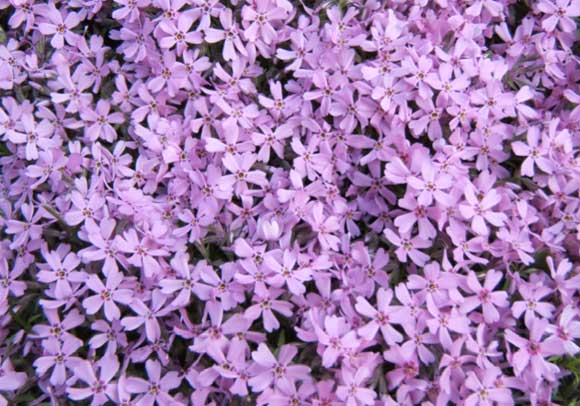
Phlox are a fragrant, colourful cottage garden favourite. Flowers come in white, pink, lavender blue, purple, orange and red – they release their delicious fragrance at dusk. Phlox range in size from low growing, dwarf varieties that reach about ankle height to larger border plants that get to around waist height. Popular with bees and butterflies as well as many beneficial predatory insects like bees, butterflies, hoverflies, lacewings and ladybugs. They will not only brighten up your veg garden, they’ll help to make it more productive and pest-free with these pollinators and helpful insects to hand.
In a nutshell
- Sun and partial shade
- Moist soil
- Cottage garden favourite
- Fragrant flowers
- Attract bees, butterflies and beneficial insects
Companions
Plant with sage, echinacea, yarrow
Top 2 varieties
1. Dwarf Beauty
Works well in veg gardens along pathways and the edge of beds as well as in containers where their blooms are easily seen by insects
2. Phlox Paniculata
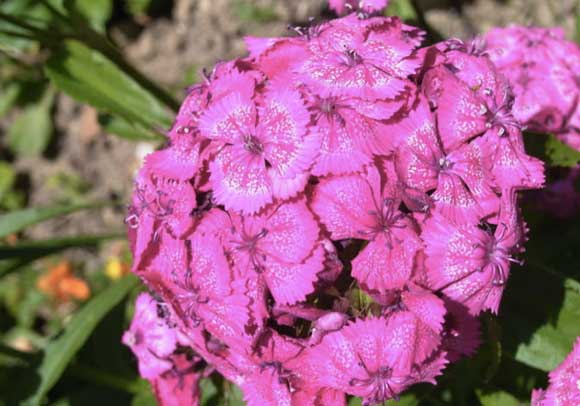
Taller variety, popular at the back of beds and borders
Getting started
When
Sow or plant in early spring and summer countrywide.
Where
Phlox grow best in partial shade – or a sunny position that avoids prolonged midday sun (maybe plant them close to taller plants like beans, sunflowers and tomatoes for this bit of midday shelter). To avoid the likelihood of powdery mildew affecting plants ensure a sunny, open position with good airflow.
Soil
Phlox prefer rich moist soil, but nothing too wet. Dwarf varieties grow best on soil that is rich in compost but drains well.

Sow & plant
Sow
Sow indoors in seed raising compost in punnets or trays 6-8 weeks before you want to plant out. Alternatively, sow seed outdoors after soil warms and all risk of frost has passed. Cultivate soil so that it is loose and free from lumps, firm soil gently and then sow seed on the surface, just lightly press down to ensure good contact with soil and sprinkle a thin layer of soil on top – about a finger tip deep. Keep seeds moist during germination.
Plant
When your seedlings are about a finger’s length in height and the weather has settled and is reliably warm and sunny, plant seedlings at an average spacing of about a hand’s length apart for dwarf varieties and a couple of hands’ lengths apart for larger varieties. Keep an eye out for slugs.
Maintain
Water young seedlings at the base of plants in dry periods. Once they are established and starting to grow you shouldn’t need to continue with watering unless weather is persistently dry and young plants show signs of wilting. Grow taller varieties through twigs or mesh to provide export support.
Harvest or pick
Keep picking flowers to prolong blooming.
Phlox make good cut flowers so you can enjoy their colour and fragrance indoors and out. Dwarf varieties should be sown every spring, taller varieties are perennial so just get cut back in winter to re-grow in the following spring.

