




What's all this muck then?
Animal manure is a 100% natural product that helps to build healthy soil and promotes strong growth in plants. Using animal manure is a natural way of generally boosting soil fertility and improving its structure. It can be applied specifically to planting areas where you aim to grow hungry crops such as pumpkins and squashes, peas and beans and members of the brassica family like cabbage and broccoli.
The four most common forms of animal manure that we use in our gardens are cow manure, chicken manure, horse manure and sheep manure (in the form of Sheep Pellets). However, in addition to these traditional sources of potent poo, zoos now sell composted zebra, elephant, camel and hippo manure for use in gardens. Animal manure contains nitrogen, potassium and phosphorus – the three main nutrients for healthy plant and fruit growth. It feeds microbiology within the soil and is very popular with earthworms.

Types of Animal Manure

Horse Manure

Chicken Compost
Chicken Manure
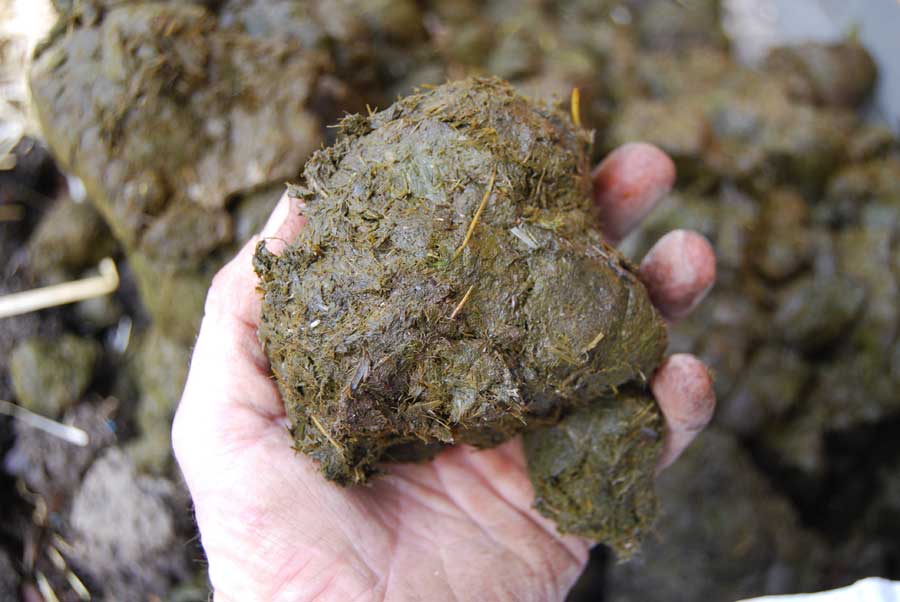
Horse Manure

Animal Manure
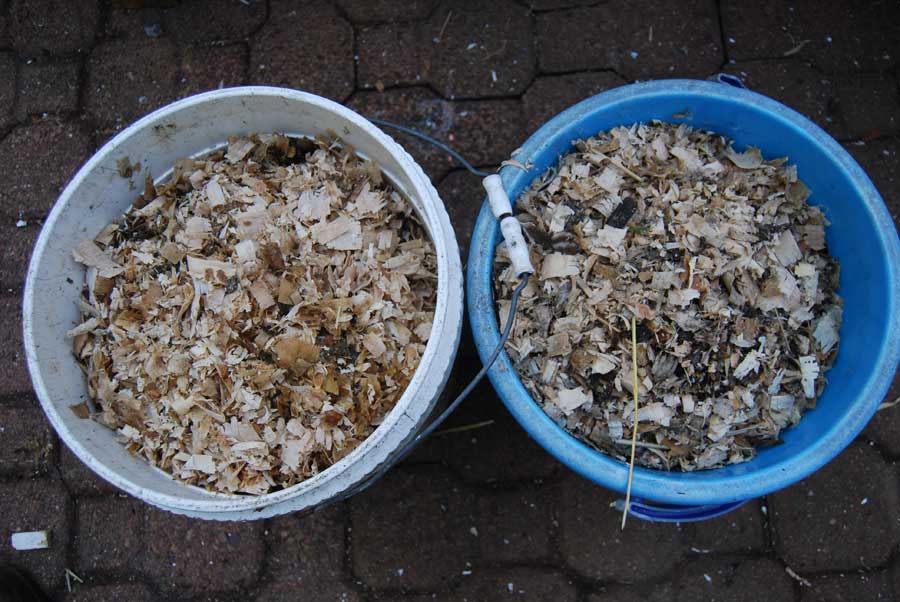
CHICKEN MANURE is a rich manure – containing high levels of nitrogen and potassium which are good for leaf and flower development. It is called a ‘hot manure’ because when used fresh it can burn plants. If your supply of chicken manure is fresh then it is best to pile it in a heap and compost it for 6 months before using. Chicken manure is likely to be weed free as it comes from inside chicken coops.
COW MANURE has a comparatively low nutrient content which means it can be used in far greater volumes than chicken manure. It is an excellent addition to soil that is too sandy or too sticky as it will help improve soil quality and structure thanks to its high content of fibrous, organic material. Cow manure should still be composted for several months before using.
HORSE MANURE is somewhere between chicken and cow manure in terms of nutrient content but it does contain a good proportion of nitrogen which makes it great for preparing soil before planting leafy plants such as cabbages, kale, spinach and rhubarb. Horse manure can contain weed seeds so if your supply is fresh, ‘green’ manure then it is best if it is composted for at least 6 months before using.
NB. Dog and cat manure are not used in garden soils due to parasitic roundworms that are often contained in them, these can remain in the soil for months or even years and are easily ingested by humans via fresh food.
When to use it
Use well-rotted animal manure for enriching and conditioning soil before planting new crops in your beds and planting areas. Well-rotted manure is particularly useful in early Spring soil preparation for new plantings but can be used all year round whenever it is available.
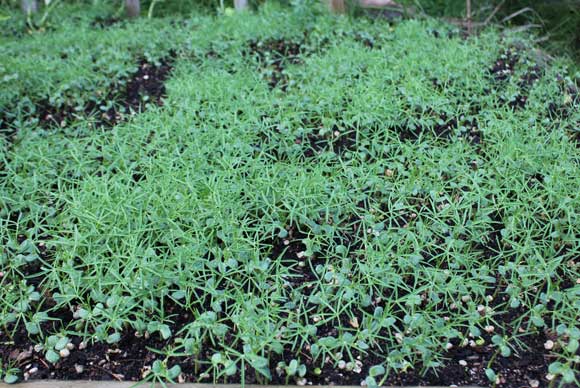
Applying Manure to the Garden
WELL-ROTTED MANURE Can be dug deeply into soil to help improve its structure and to store nutrients for deep rooted vegetables like parsnip, beetroot, carrot, turnip.
It can also be turned into the top few inches of garden soil to be more readily available to fast growers such as lettuce, spinach, peas and beans.
The quantity you should use can vary, but one or two spades full per square metre ( a stride by a stride) is generally recommended.
FRESH MANURE Can be layered (about half a finger deep) onto the surface of empty beds in the autumn and left to rot down and be consumed by invertebrates and soil microbiology through winter. In early spring it can then be turned into the upper soil layer (to around a spade’s depth) for spring plantings. Fresh manure can be added straight to compost heaps to boost decomposition.
Spread animal manure onto your beds with a spade or shovel and then dig in using a fork – this saves chopping up too many of the worms that you’ll almost certainly find living in it.
Scatter manure across beds and turn into soil with a spade so that fragments of manure and soil are visibly mixed to about a spade’s depth for general soil preparation and conditioning.
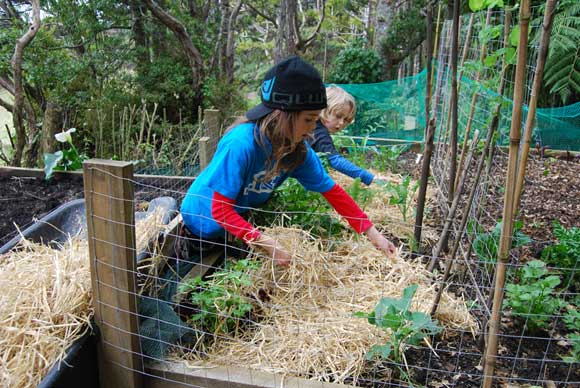
INDIVIDUAL PLANTING HOLES (maybe a handful or two in most cases) of well-rotted manure can be added when planting the likes of rhubarb, globe artichoke, zucchini, melon, tomato and other hungry high producers – just mix in with soil at the bottom of the planting hole.
YOU CAN MAKE A ‘MANURE TEA’ by quarter filling a bucket or barrel and then filling to the top with water. Leave for a day or so and then pour off the liquid before adding the sludge at the bottom to the compost heap. Dilute the liquid till it looks like weak tea and use as a foliar feed (water onto leaves) or a liquid feed (water at the base of plants). Don’t use on plants you’ll be eating within a week and wash all plants before eating when you do harvest.