





How to get started
LEARNING THE TRADE: Before starting out as a beekeeper it is strongly recommended that you join a local bee club and do a course on beekeeping. Not only will you gain invaluable knowledge but also you are likely to meet friendly local beekeepers who are an essential resource for ongoing advice and information – just like other local gardeners are!
There are a number of very useful and informative books that make essential guides for the beginner.
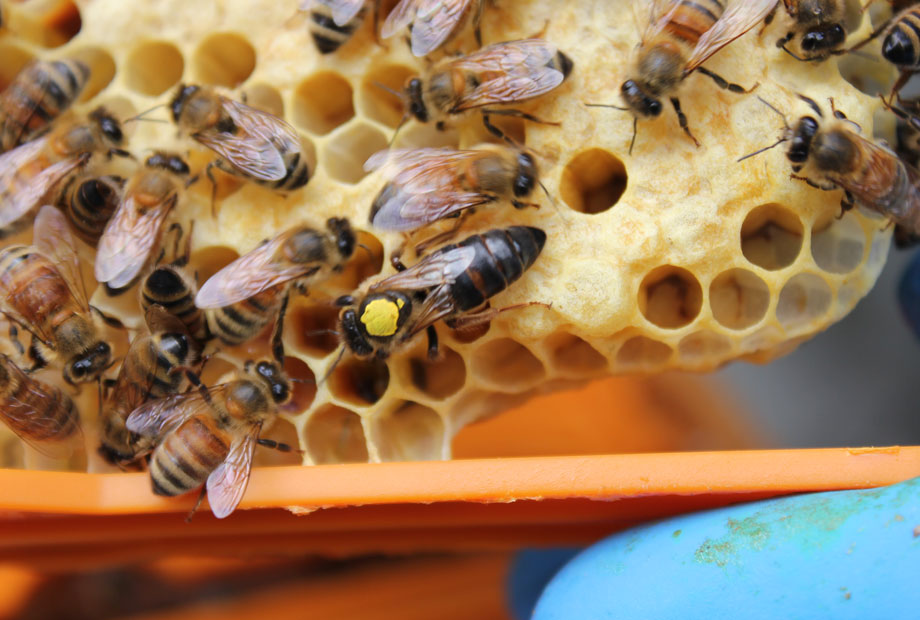
Most new hives are started in spring. Bees can purchased from registered breeders and normally for about $100 you till get a queen, several frames with larvae developing in them and a few thousand worker bees. This is called a ‘nuc’ or ‘nucleus’ and is put into the bottom box of the hive with additional empty frames. The queen soon lays eggs in available honeycomb cells and the hive takes off from there.
Beehive location
Before locating a hive in your garden or on your land check with local council for any regional guidelines. It may be prudent to consult with your neighbours too.
Bees have a range of approximately two and a half kilometers, so there should be a good source of nectar within this distance of your intended hive location.
A position that gets early morning sun is great for getting your hive active. Shade during the hottest part of the day – in early afternoon – is preferable, perhaps from overhanging branches.
Bees need a clear flight path and this may change through the year as nectar sources go through flowering phases. It is recommended that least 5 metres be kept clear around the front of a beehive.
A water source should be provided nearby – such as a pond, slow-running stream, a low tub or large dish filled with water and floating sticks for bees to alight on.
Place your hive on level, well-drained ground away from prevailing high winds. Keep weeds and general vegetation down to maintain flight path and reduce the number of pests coming into the hive.
A hive should have good ventilation around it.
You should have easy access to your hive for removal of boxes, frames and general maintenance.
The kit - cost of set-up
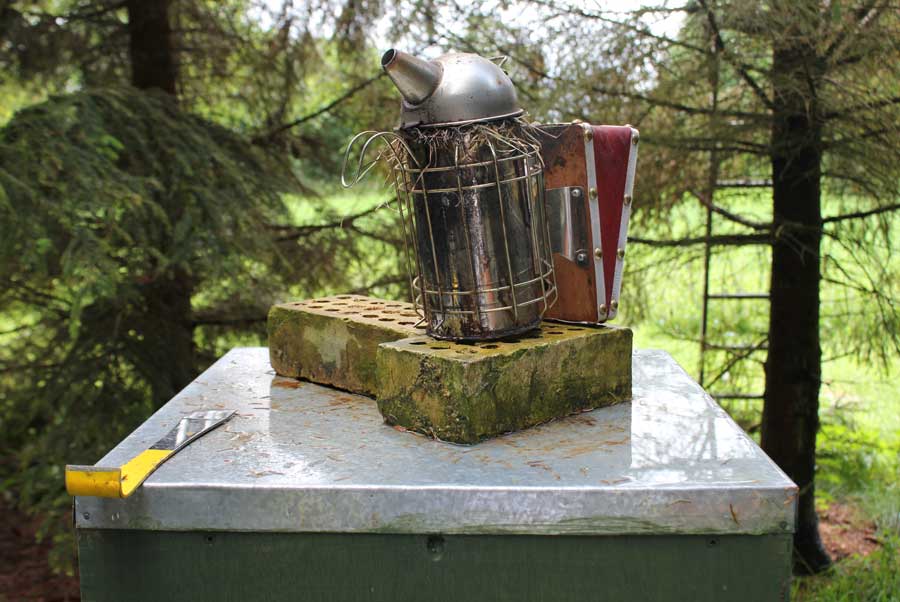
Smoker
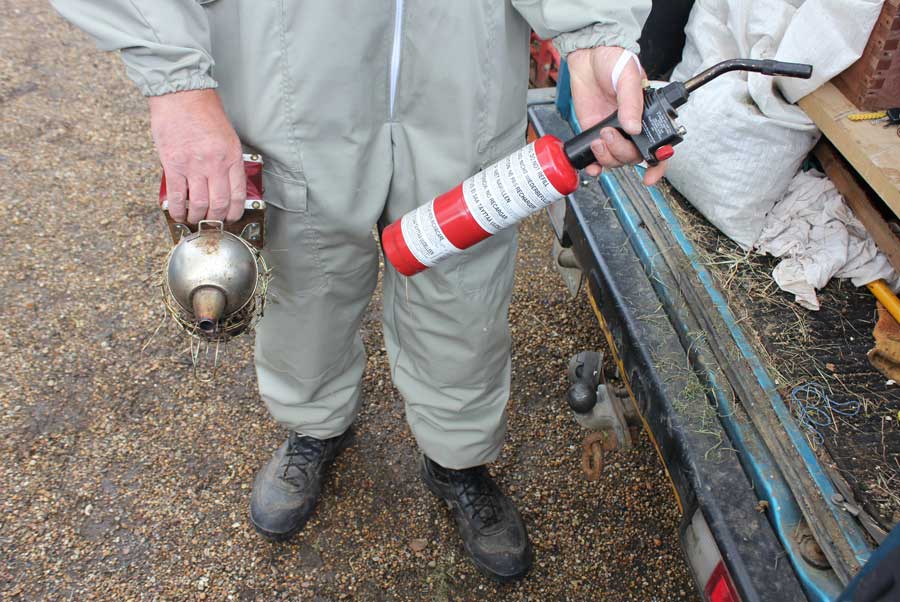
Smoker and lighter

Hive tools
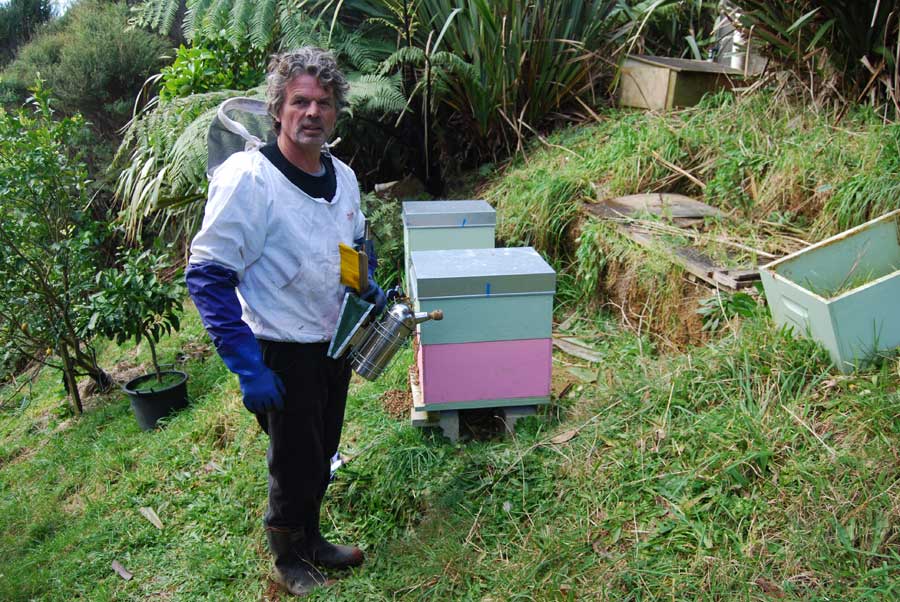
Half suit

Gloves
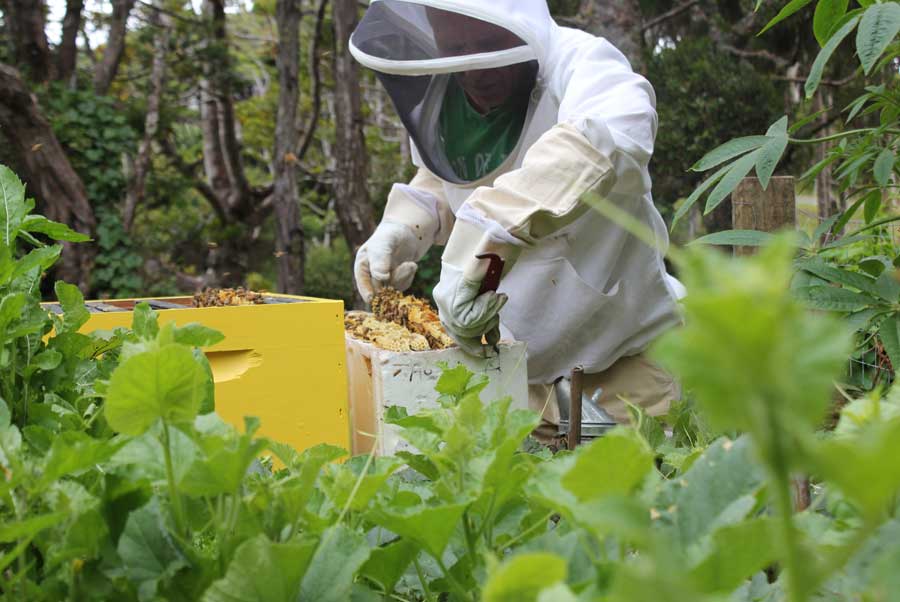
Leather gloves
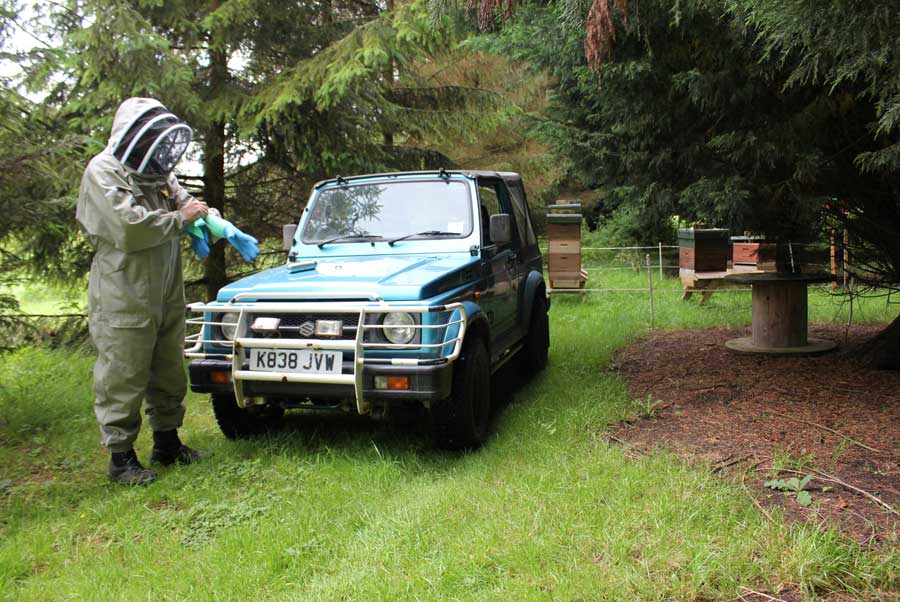
Full suit and gloves
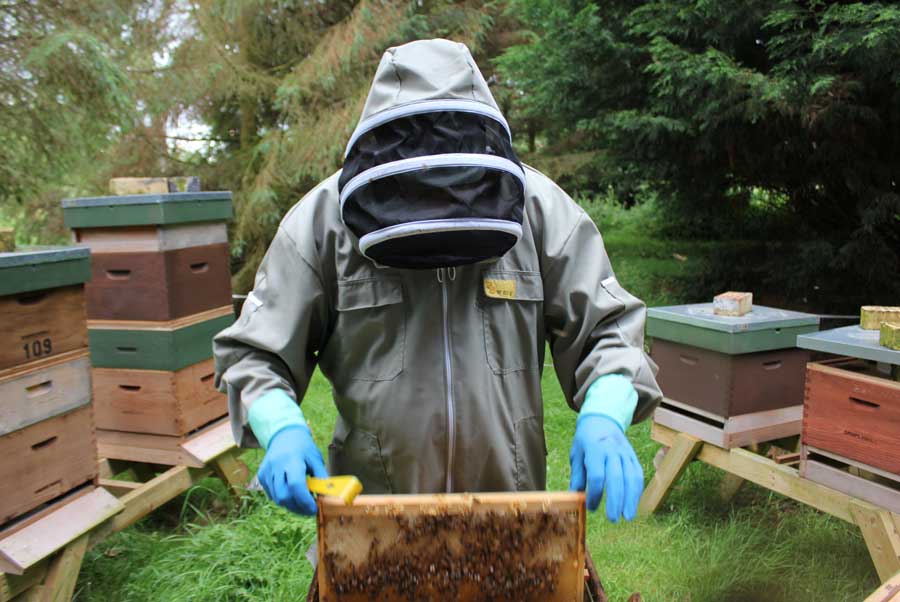
Bee hood
A starter colony of a queen and several thousand bees can cost around $100.
A basic hive with two boxes, base, lid, queen excluder and sufficient frames can cost around $200.
Tools and suit: Gloves $40; Smoker $50; Hive tool $20; Full length suit can cost around $150 – the total outlay for getting set up is around $450.