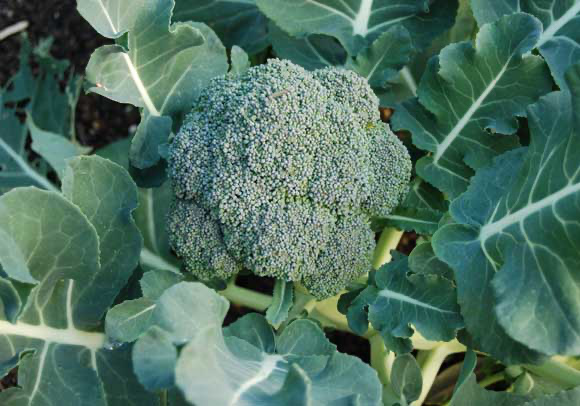





Broad Beans
Broad Beans
Vicia faba, ‘The bean of history’, Fava bean.
Broad beans pretty much look after themselves once you have your seedling plants established. As well as offering a bumper crop of nutty, tangy beans they can help stabilise your garden soil, preventing erosion through some of the wetter months of early to late Spring. They also add useful nutrients for summer plantings that take their place once they have done their ‘thing’ and you have moved them on to the compost heap.
In a nutshell
- Full sun
- Rich soil
- Protect from wind
- Heavy cropping bean
- Soil enriching plants
Quantity
10 plants per person
Companions
- Sweet corn
- Cabbage
- Kale
- Summer savory

The growing lifecycle

Broad Bean seeds submersed in water

Broad bean seeds starting to shoot
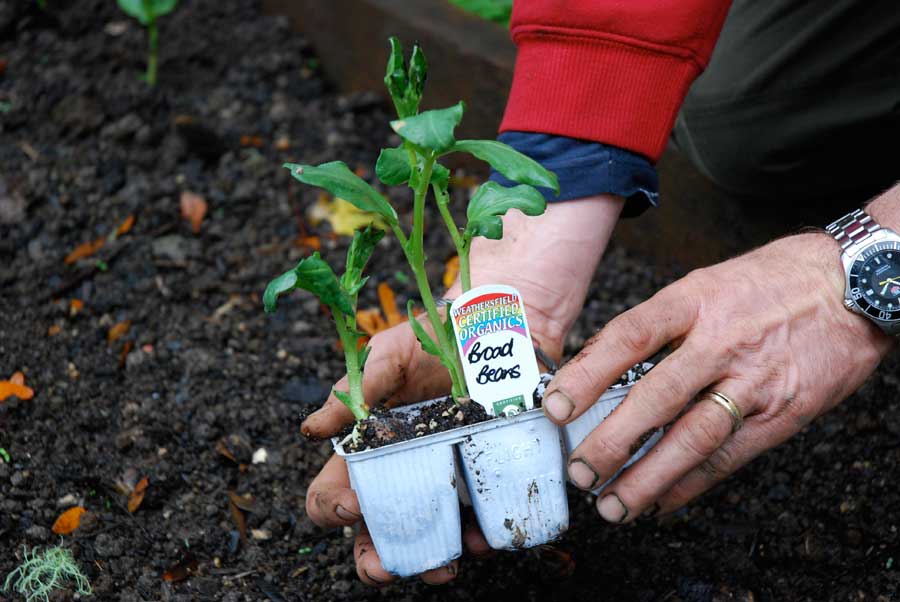
Small broad bean plants in punnets
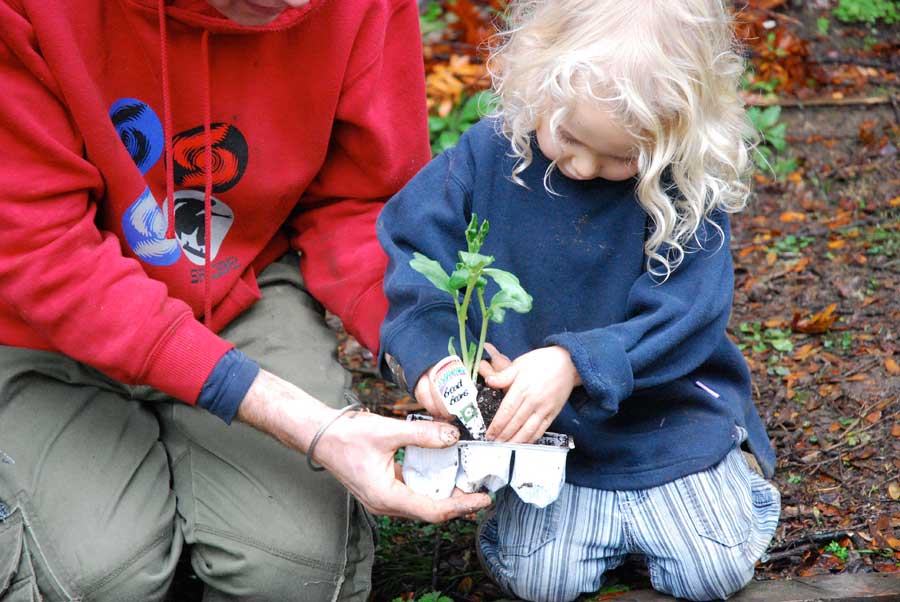
Carefully remove broad bean plants from punnets
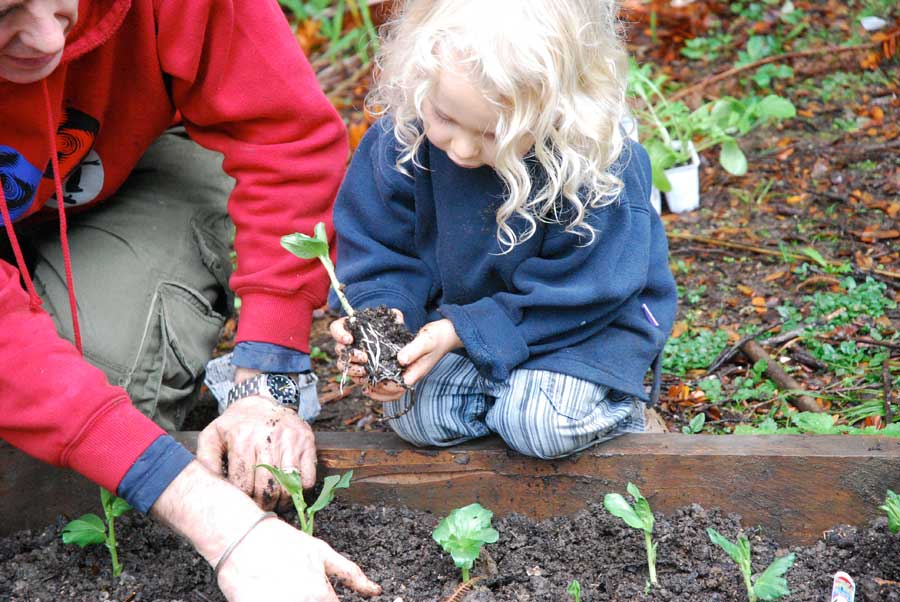
Hold soil beneath roots

Seedling planted into bed

Young broad bean plants growing larger

Small flowers show on the plants

Plants grow up amongst the supporting canes

Broad bean flowers

A young broad bean pod
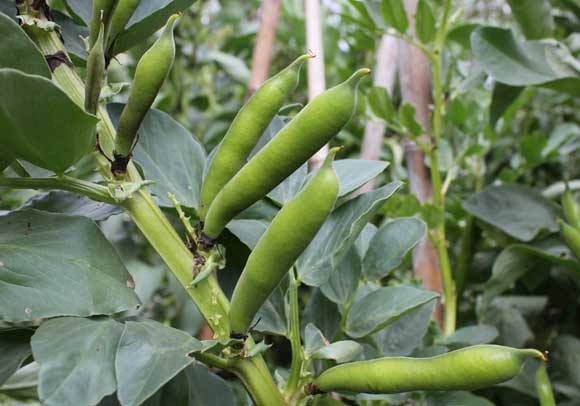
Fully grown bean pods ready for harvest
Top varieties
1. Superaguadulce
Plants get to around chest height and maybe a bit taller. Superaguadulce produces a prolific crop of tasty green beans that are good for freezing. Best in large beds. Very hardy - so suitable for late Autumn sowing.
2. The Sutton
This dwarf variety is suitable for smaller as well as large gardens. A bush bean that grows to around knee height but with a plentiful crop of white seeded pods. Suitable for planting in pots. Sow in Autumn or Spring
Getting started
When
When to sow varies significantly depending on regional climates. In milder, sheltered regions they can be sown outdoors in November and February (there are certain varieties particularly suited to sowing in these colder months – The Sutton for instance). Generally, Broad beans are sown indoors in late winter and outdoors in spring. For a summertime harvest, sow directly into the ground in March, April through to May depending on your region.
Where
Broad beans like as much sun as possible and shelter from prevailing winds. They can grow to between knee and waist height which means they may cast shade over shorter crops planted on their southern side – so bear this in mind before you decide where to put them. A few rows along the back of a bed is often a good place for them.
Soil
Broad beans like rich soil and good drainage. If you can, plant them in a bed that was heavily composted for a previous crop – this means there should still be plenty of nutrients around but not too much nitrogen – this might be caused by having grown other beans or peas on the intended growing area or use of too much chicken poo. Excessive nitrogen can cause plants to grow very leafy and in the case of broad beans this makes them even more prone to flopping all over the place than they already are. You can always just go ahead and prepare a bed right now by adding rich, well-rotted compost to your soil. We also add untreated wood ash when preparing a bed for planting beans as this gives them a good dose of potash which helps produce healthy leaves and fruit. My youngest son loves planting beans and broad beans do have something of the ‘Jack and the beanstalk’ about them. They are a good size, not too fiddly, and its fun pushing them about twice their own size beneath the soil.
Sow & plant
Sow
Broad beans can be sown straight into garden beds when local conditions are not too cold and wet – beans can rot off if they sit in soil or compost that is too wet during germination. It is important to dig a generous amount of compost into the soil before sowing. If you are keen to plant when conditions are more challenging then it can be worth sowing seeds indoors in punnets and planting them out into beds when they have grown into seedlings with two or more pairs of large leaves. Seedlings with roots and leaves are more able to deal with damp soil. Before sowing your beans in beds or punnets, soak them overnight in a bowl of water and then drain. Any that don’t appear to have swollen much will in all likelihood be no good so discard – you can leave the beans to sit post draining for a further day to be sure. You may even see some starting to offer a tiny shoot at one end – these will go off like rockets. Push beans twice their own length beneath soil or compost. In case some beans don’t germinate properly, so it pays to sow two seeds per punnet or planting position in your bed – the weaker of the two can be pinched out later. Water once and do not water again until the bean has formed its first pair of leaves.
Plant
Broad beans should be spaced about a hand’s length apart in the ground. If you can, plant beans in rows from north to south to allow for sunlight throughout the day and to prevent individual plants from shading their neighbours. Rows should be spaced about a forearm’s length apart to allow good airflow and prevent fungus taking hold.
Spread plantings over a series of weeks so that all your beans don’t come at once. You can plant them in blocks say 5 plants by 5 plants (with beans still planted about a hand’s length apart) but start at the northern end of the bed and make additional plantings – say every three weeks – moving southwards towards the sun. This way, growing plants won’t shade younger ones.
Maintain
Mulch as seedlings start to stand strong and have developed two or more layers of leaves. Keep weeds at bay and tie-in bunches of plants as they start to put on height. I put a cane at each corner of a bunch of plants and tie a few runs of garden twine around them for extra support. Alternatively you can be creative with a bunch of bamboo canes or something similar and stick loads of them amongst your beans which can then simply lean against them. Don’t worry too much about this though, mine have previously been blown here, there and everywhere before picking themselves up during calmer weather and getting themselves back into shape again. When the first beans appear at the base of your plants its time to pinch out the juicy tips. This is done to reduce the chance of black bean aphid attack and to stimulate strong growth with plenty of pods. Simply pinch the stem below the top two leaves so that it breaks neatly off. These tips are absolutely and can be eaten raw in salads or steamed like spinach.
Harvest or pick
The size your beans are when you pick them is really a matter of taste. To eat the pod and beans inside pick at around finger size. Let the pods get a little bit bigger and then pop the pod to eat juicy young beans. If you are going to cook your beans for dips, salads etc. – where the beans are blanched and the skins removed -then you’ll probably need to wait until your pods are thicker than your thumb with beany shapes along their length. Best not to let your pods get too large or the juicy sweetness of the beans will be replaced by a flat starchy flavour. When I was a boy my dad always grew broad beans and mum would cook them for him with a parsley sauce. He’d eat a bowl of them with nothing else. This is how I still like them but, needless to say, there are a stack of fancy ways you can prepare them these days from dips and bruschettas to pilafs and risottos. When your broad beans have ‘bean and gone’ and you are left with empty stems, cut these down and dig them, along with the roots, back into the soil where they will act as a handy dose of mulching compost for the next occupants of your bed. Broad beans put a lot back into the soil – adding nitrogen to the benefit subsequent crops – follow them with nitrogen hungry plants like cabbages, broccoli, kale and cauliflowers.