




Ladybug
A single ladybug can consume up to 5000 aphids in its lifetime.
A single ladybug can consume up to 5000 aphids in its lifetime.
LADYBUGS are small predatory beetles that eat aphids, soft scale insects, mealy bugs and spider mites. They come in a range of colours but the best ones for us are the familiar orange or red with small black dots across their backs. The adults are fairly noticeable thanks to plump round shape and bright coloration but their larvae often go unnoticed. Like the adults, the larvae with their elongated black, yellow and red bodies are voracious consumers of aphids, they spend about three weeks as lavae before pupating and emerging as adults. A single ladybug can consume up to 5000 aphids in its lifetime. Ladybugs are most active outdoors between spring and autumn. When temperatures drop through winter they hibernate and often come indoors to seek warmth and shelter.
There are three types of ladybug you are likely to see in your garden:
Red and black are helpful predatory beetles
Metallic blue are helpful predatory beetles
Yellow and black are unhelpful beetles as they spread the spores of mildew around large-leaved plants like zucchini, cucumber, melon and squash.

AVOID USING CHEMICAL PEST CONTROLS as not only will they harm ladybugs and their larvae but they also effectively remove their food source and deplete their numbers. Biological pest control is all about patience, when the pests turn up the predators will not be far off.
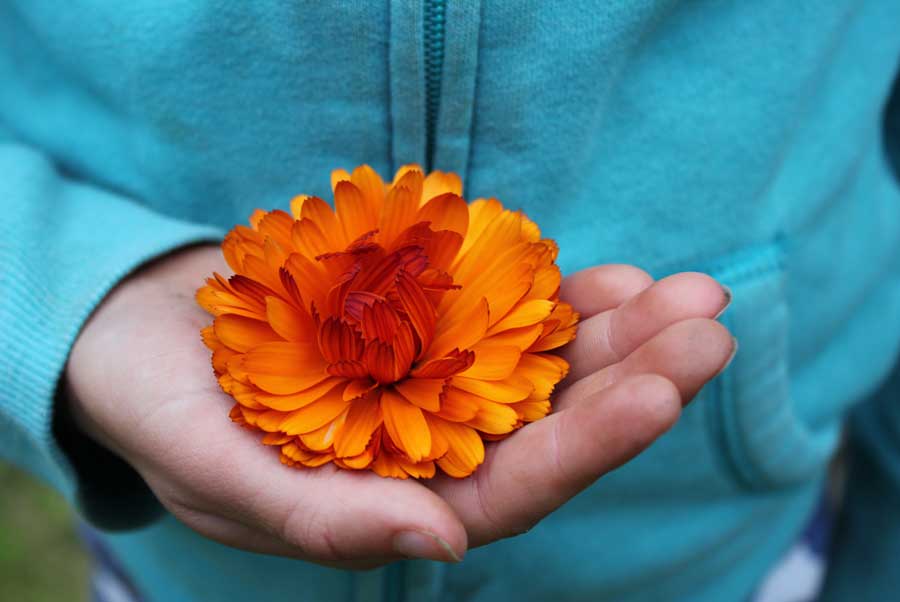
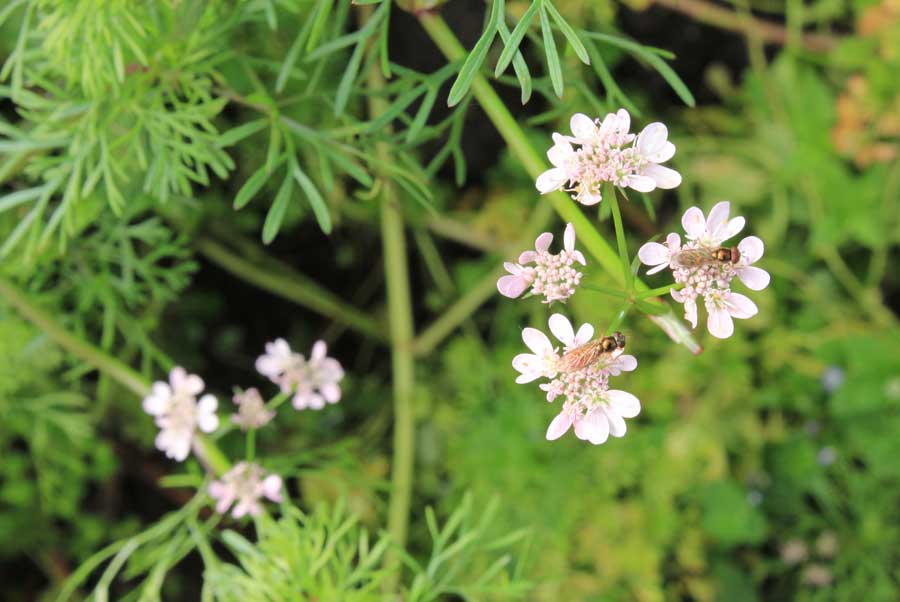
Newly developed adult ladybugs eat pollen and nectar as well as aphids. Umbrella-shaped flowers draw them into our gardens. Plant or sow the following in your vegetable garden and not long after aphids turn up you will start to see ladybugs and, if you look closely, their larvae moving in: Fennel – when allowed to flower, Coriander – when allowed to flower, Dill – when allowed to flower, Alyssum
Calendula, Cosmos and Yarrow.