




Celeriac
Grow
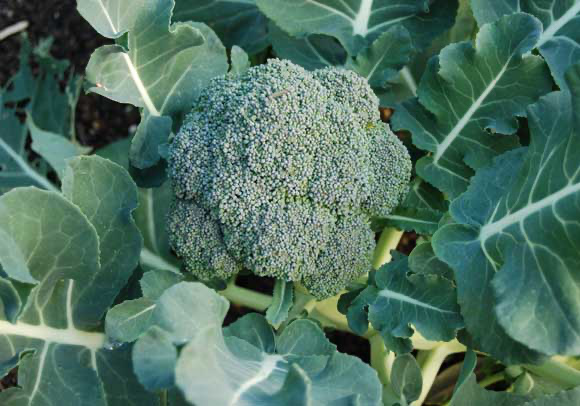
Brassica oleracea botrytis, ‘Cyprus coleworts’
Celeriac certainly is an oddity when it comes to looks but it has a delicious, unique flavour that makes it an exciting prospect for home gardeners keen on expanding their palettes. Tasting like a cross between parsley and celery, celeriac can be roasted or used in soups and grated into salads. We like to add it to mashed potatoes where it adds a subtle aniseedy fragrance.
In a nutshell
- Rich soil
- Good for cooler areas
- Plant spring to summer
- Slow to mature
- Delicious in mash
Quantity
1 plant per person
Companions
- Spinach
- Most Brassicas
- Beans
- Tomatoes
- Leeks
The growing lifecycle
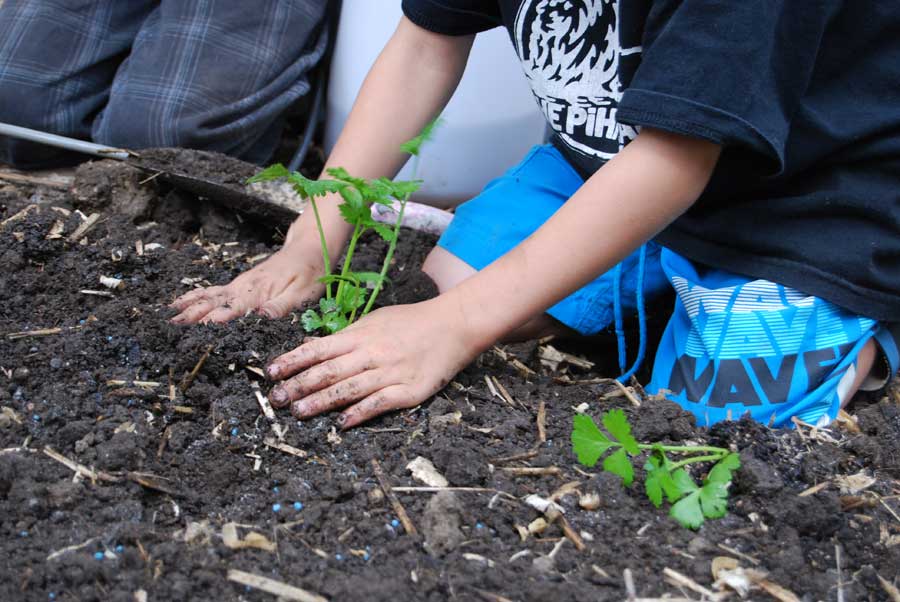
Planting a Celeriac seedling

A young Celeriac seedling growing well and putting strong foliage
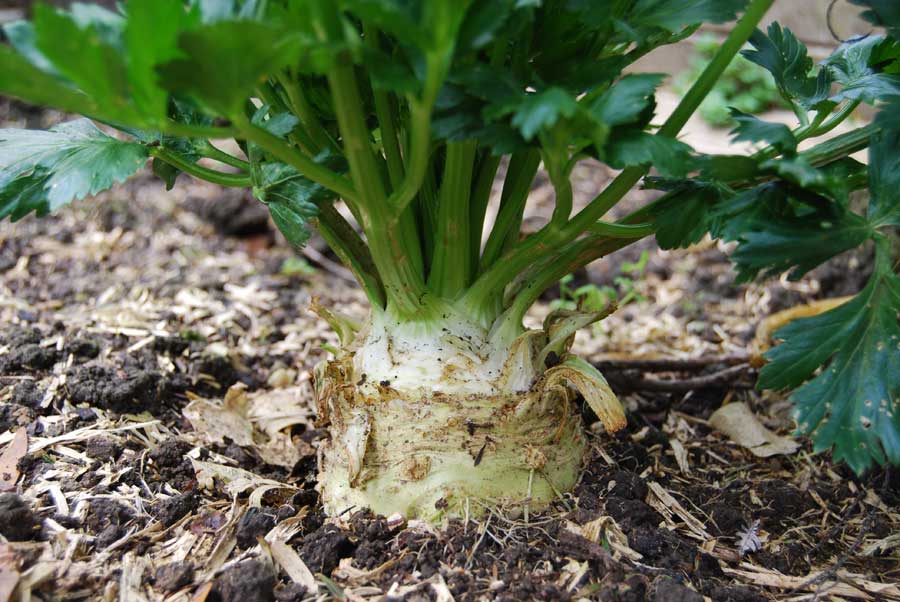
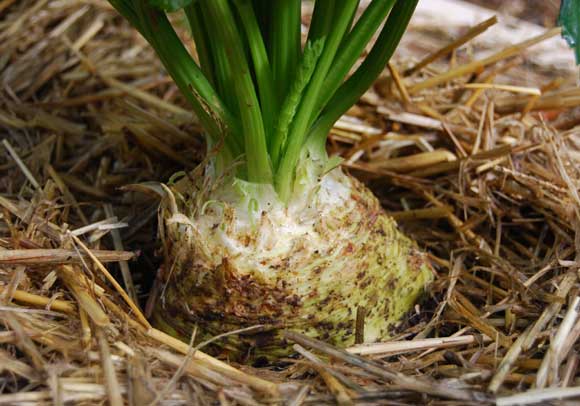
A nice Celeriac root swelling and showing above ground
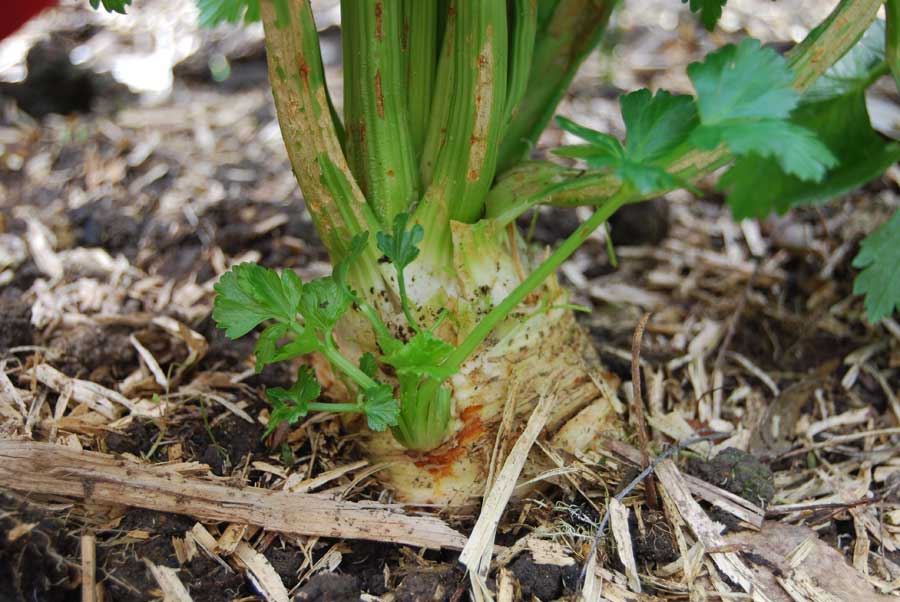
A side shoot on a ripe Celeriac root
A perfect Celeriac root ready for harvest

To harvest, lift mature Celeriac roots

Trim off foliage close to the root

Cut through smaller roots below swollen main root
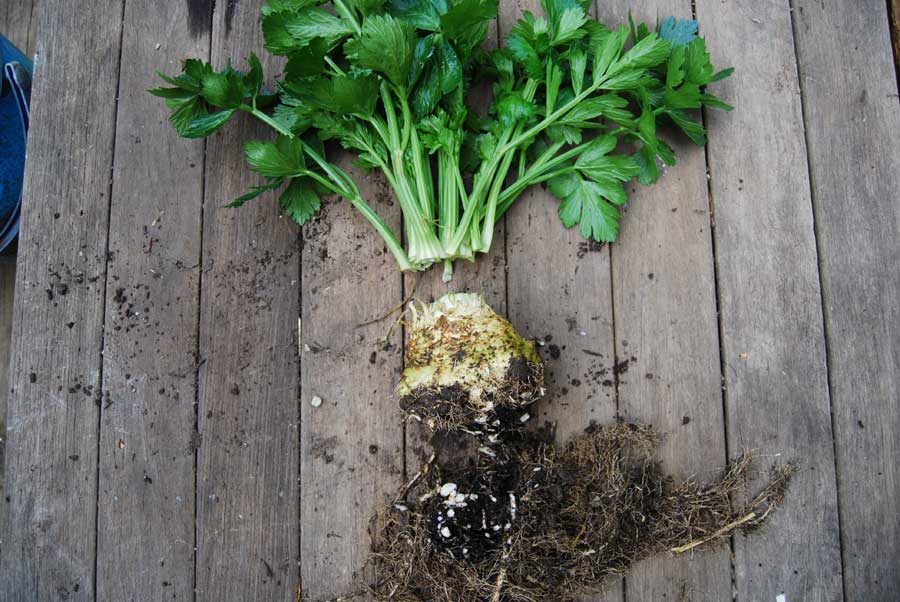
A Celeriac root topped and tailed

A Celeriac root trimmed, cleaned and ready for the kitchen
Our top variety
1. Monarch
A popular variety with a nutty flavour that stores well.
Getting started
When
Sow into trays in March. Place in propagators in cooler areas and use cold frames in warmer regions.
Where
Celeriac likes a coolish spot with sun morning and afternoon – effectively his means some shelter if possible from full-on midday sun. It takes about three to four months to mature so plant it where it can sit quietly and do its thing.
Soil
Like celery, celeriac needs plenty of nutrition to bring its oddly swollen stem to perfumed perfection. You are looking to add well-rotted horse manure or kitchen/garden compost to a soil that is already well-dug through (about one spadeful per forearm by forearm square of soil).
Sow & plant
Sow
You can grow celeriac from seed – sow indoors in peat pots filled with seed compost or directly into the garden with seeds about a finger tip beneath soil and about a good hand’s length apart.
Plant
I often buy garden-ready seedlings as seed germination can be unreliable and can take a while. I generally grow no more than a dozen plants in our garden and the few pounds spent on a punnet or two of seedlings are comparatively worthwhile. You can plant seedlings straight into your prepared beds when there is no further risk of frosts in your area. Plant seedlings two hands’ lengths apart with the soil/compost they are growing in about a finger-tip higher than the garden soil. Water in with about a coffee mug of water per plant and spread a layer of mulch around them to keep weeds at bay – this will also be useful in keeping moisture in the soil.
Keep watering constant during any dry periods to prevent plants from ‘bolting’ and going to seed.
Maintain
Celeriac needs regular and constant moisture to grow to perfection. If the weather is dry then provide about a watering can of water per three plants every day. To help the whole process along you can use a liquid feed (worm juice or manure) every week at a rate of about a watering can per three plants. Keep weeds down with a hoe. As plants grow and begin to swell, remove any side shoots or small plantlets that appear on the crowns (top of root base). Remove lower leaves in late summer to further expose the crowns.
Celeriac’s flavour is greatly improved and intensified if the swollen base gets exposure to frost before harvest.
Harvest or pick
Celeriac can be harvested throughout winter and into spring. It is best to leave them in the ground until they are required. Lift the swollen crowns with a fork when they are at least as wide as your palm or larger. Although a light frost will improve flavour, if severe winter weather is forecast or if you have heavy soil and there is a chance your crop may become water-logged you might want to lift them all at once. You may also need to clear the ground for an incoming crop. Carefully lift the crowns with a fork and lay them in a shallow trench elsewhere in the garden before covering the crowns with a thin layer of soil – they last longer like this than they will in the fridge. Alternatively you can lift them and remove the leaves before packing in box filled with sand. Store in a shed or garage and they should last for several months.
Allow a plant or two to grow until they flower in the following spring and this will attract useful predatory insects – such as hoverflies – into your garden.