





Chervil
Herbs
Anthriscus cerefolium, sweet cicely
Chervil is a delicately flavoured perennial herb with fern-like leaves that has happily colonised a part of our garden where most other plants seem to generally give up and move elsewhere. For these two reasons I am particularly fond of it. Its delicate, aniseedy flavour is great with fish, eggs and chicken. Chop it fresh over soups, salads and omelettes, substitute it for parsley every now and again and nibble on it to perk you up whilst you are doing a spot of weeding. When Chervil flowers it will attract hoverflies, bees, butterflies and other pollinators.
In a nutshell
- Shade/part sun
- Moist soil
- Sow from seed
- Subtle aniseed flavour
- Best used fresh
Quantity
1 plant per household
Companions
- Radish
- Lettuce
- Broccoli

The growing lifecycle

Chervil foliage

Chervil foliage

Chervil foliage
Chervil foliage
Getting started
When
Plant or sow in early spring and summer.
Where
Chervil is one of those rare herbs that likes a shady site. It can also grow in sun but will need regular watering and ideally some shade during the hottest part of the day. It grows to about halfway up your shins.
Soil
Chervil likes a slightly moist soil rich in organic material. If your soil is thin and sandy you can improve it by digging compost or rotted manure through it.

Sow & plant
Sow
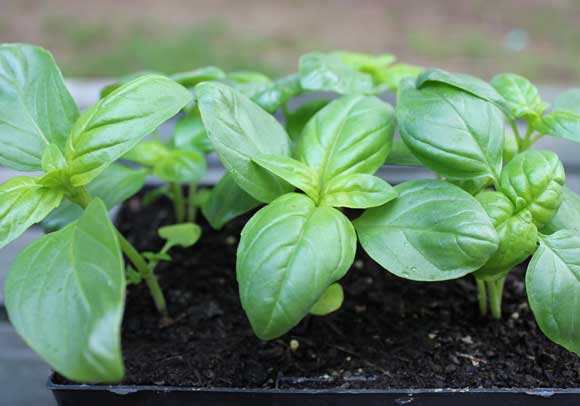
In early spring, sow seeds a finger-tip deep in trays or punnets filled with seed compost or directly into the garden or proposed container. Thin seedlings as they develop so that plants end up with about a full hand’s length between them.
Plant
When your seedlings are about a finger’s length in height and the weather has settled and is reliably warm and sunny, plant seedlings at an average spacing of a good hand’s length apart.
Maintain
Water young seedlings in dry periods. Once they are established and starting to grow you shouldn’t need to continue with watering unless weather is persistently dry and your soil dries out. Mulch to retain soil moisture.
