




Florence Fennel
Grow
Foeniculum vulgare var. azoricum
Florence fennel is a good-looking vegetable that tends to outshine its neighbours in the veg patch. Fairly low maintenance and good to grow throughout the country it is a versatile and flavoursome ingredient in the kitchen. Get some in now and before you know it you’ll have great plumes of wafty, aniseedy foliage atop some lithe, lined taut and tasty bulbs – ready for roasting, braising, grilling or scrunching raw.
In a nutshell
- Full sun
- Rich soil
- Constant moisture
- Summer + autumn harvest
- Sweet aniseed flavour
Quantity
3 plants per person
Companions
Florence fennel is one vegetable that is pretty much allelopathic to all other plants – this means it exudes chemicals that suppress growth in neighbouring plants. I still grow it in my beds but give it a well–mulched buffer zone of about a hand’s length or two between it and other nearby plants.
The growing lifecycle
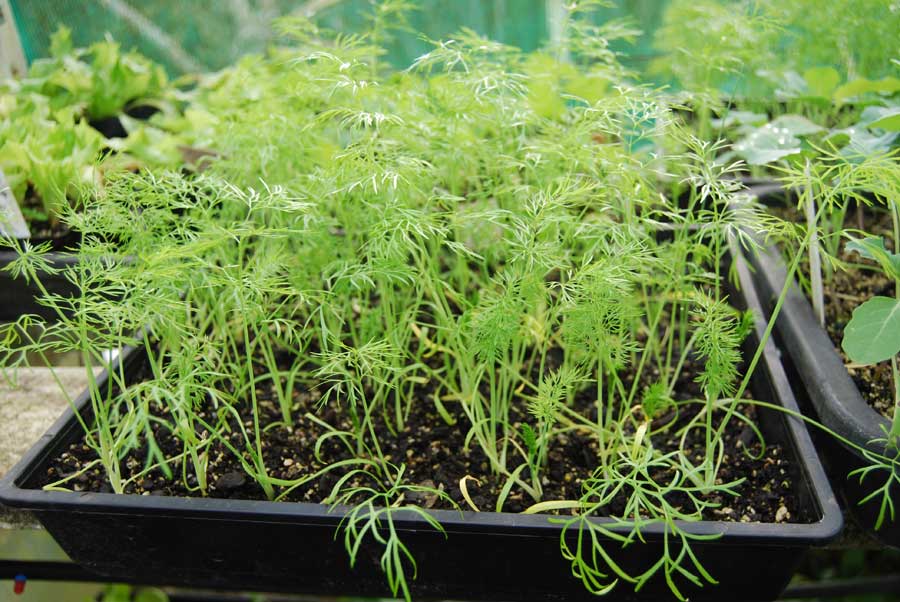
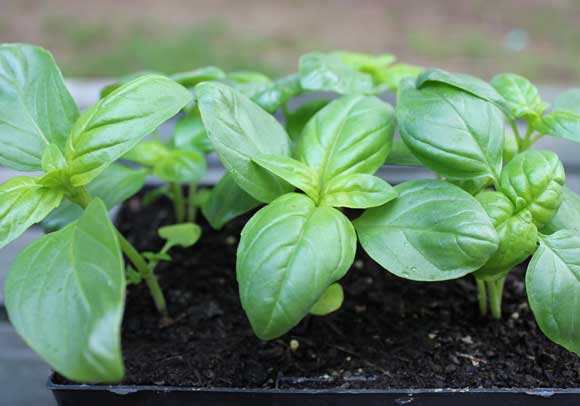
Florence Fennel seedlings in a tray
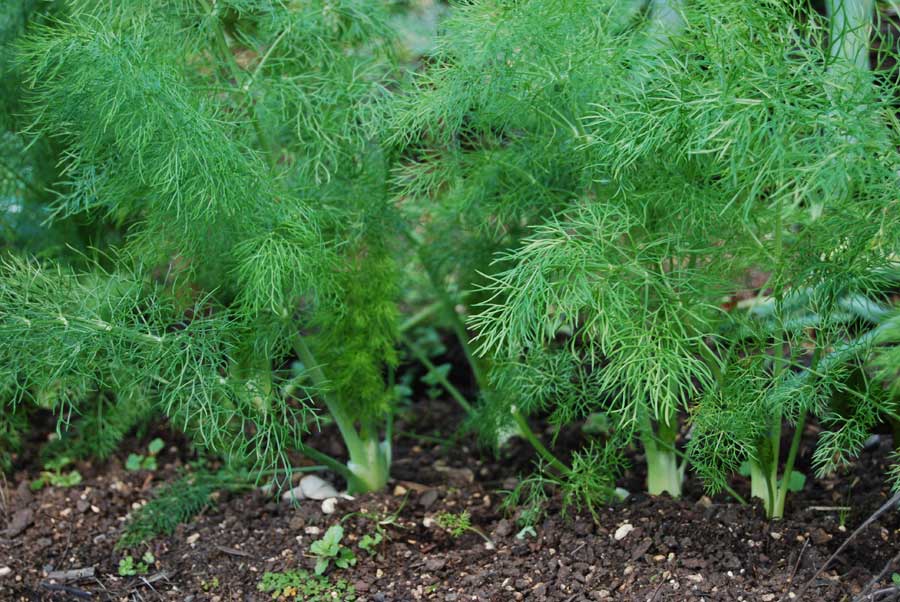
Florence Fennel seedlings planted out in a bed and starting to grow

Florence Fennel seedlings maturing and beginning to show signs of a swollen white base
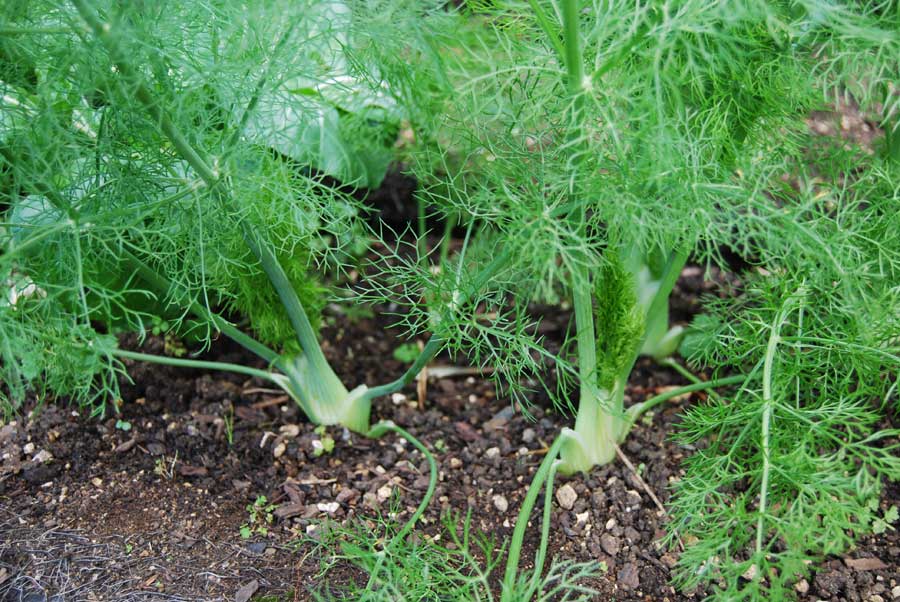
Florence Fennel seedlings looking good
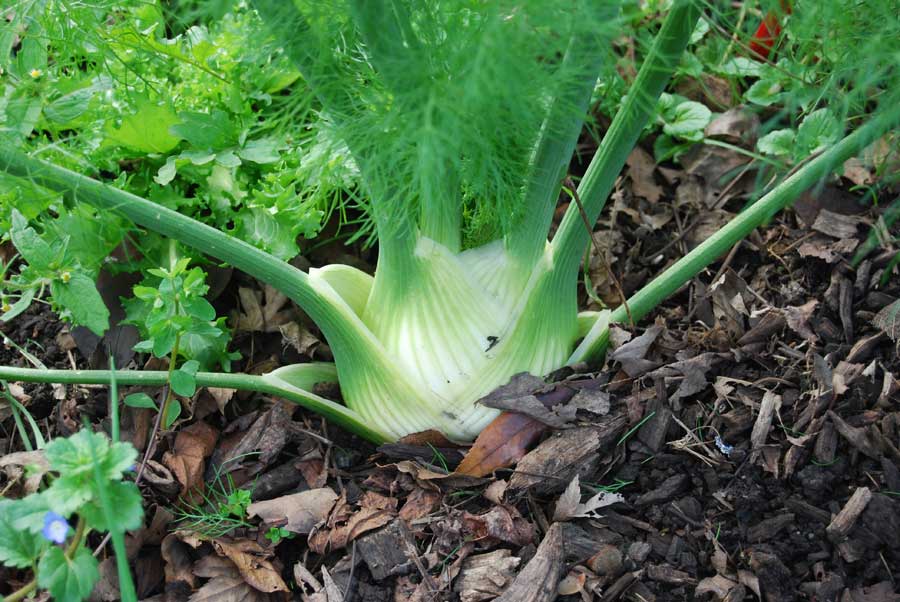
A nice Florence Fennel plant on its way to being ready for harvest
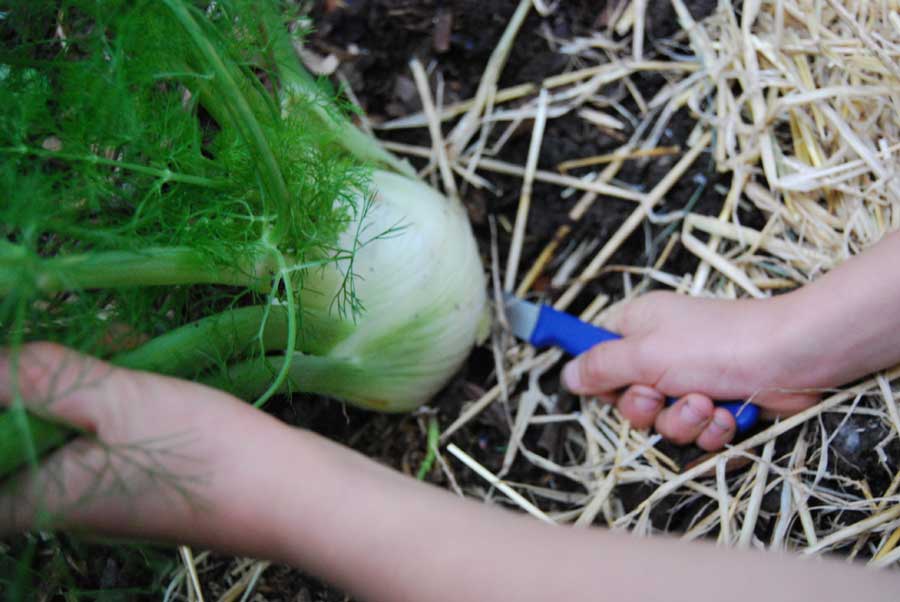
Harvesting a Florence Fennel bulb with a horizontal cut across it's base
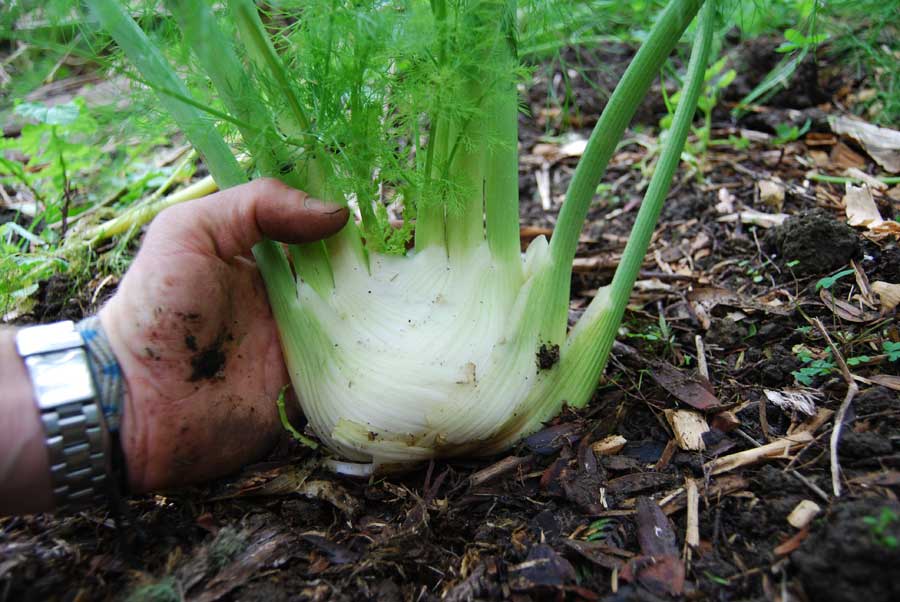
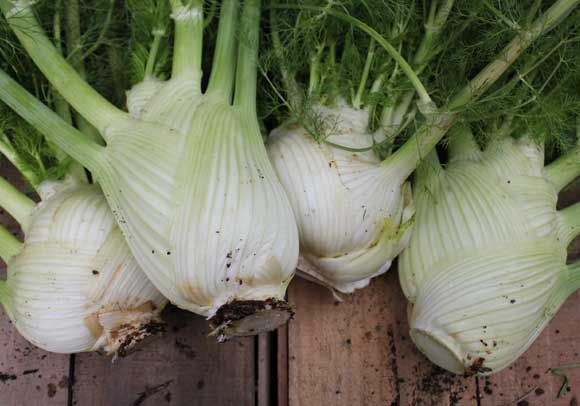
A nice Florence Fennel bulb

Florence Fennel is fun and relatively easy to grow
Florence Fennel harvest - a nice haul
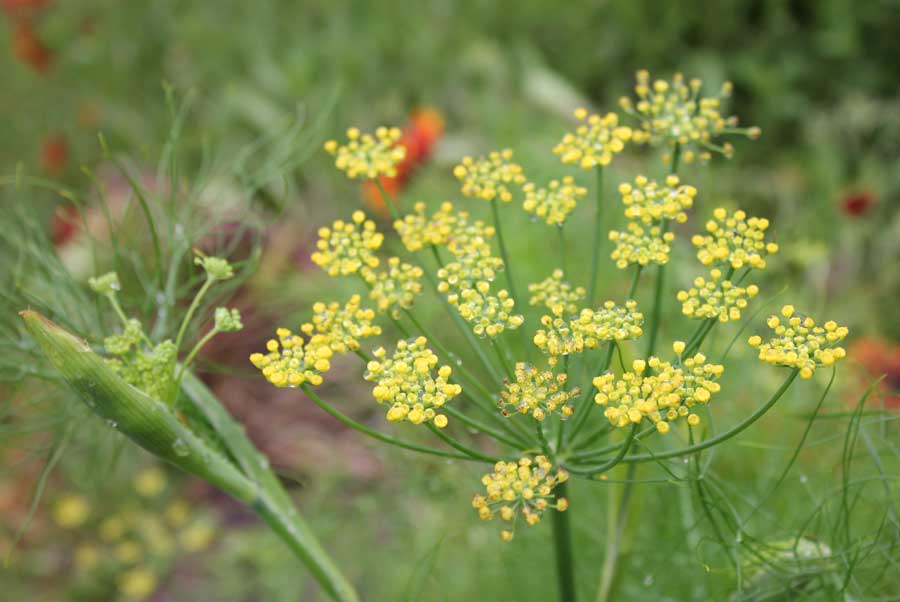
Allow a plant or two to grow on and to flower
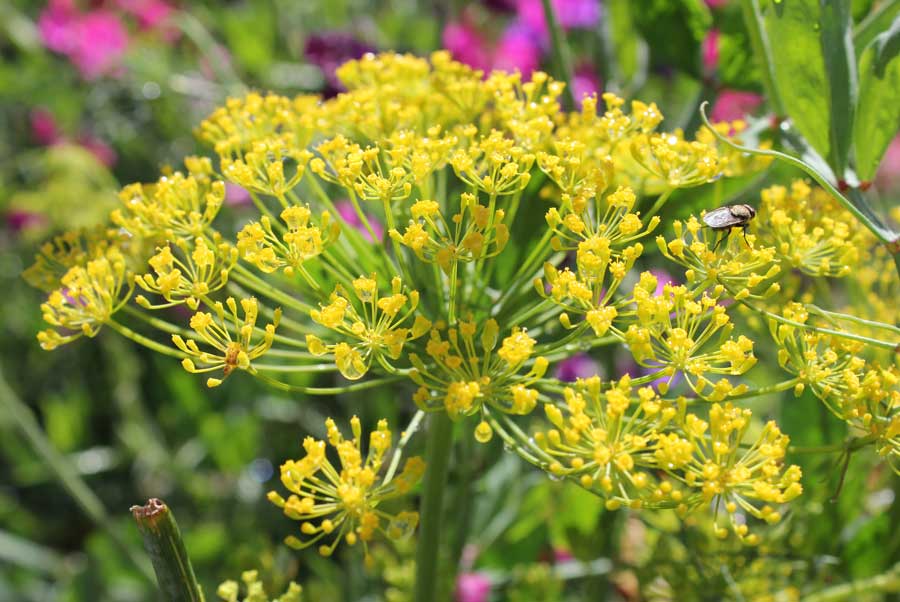
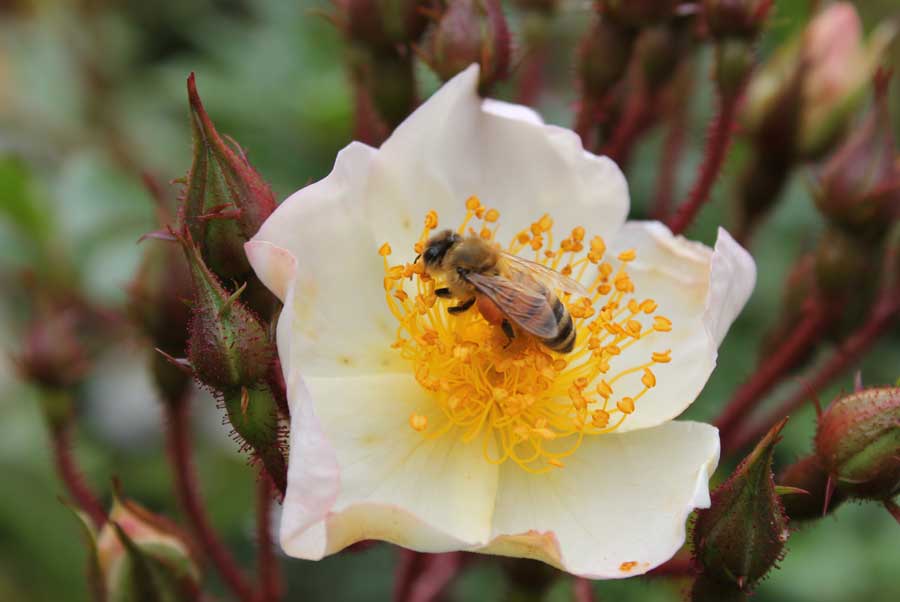
Florence Fennel flowers are attractive and popular with many beneficial insects
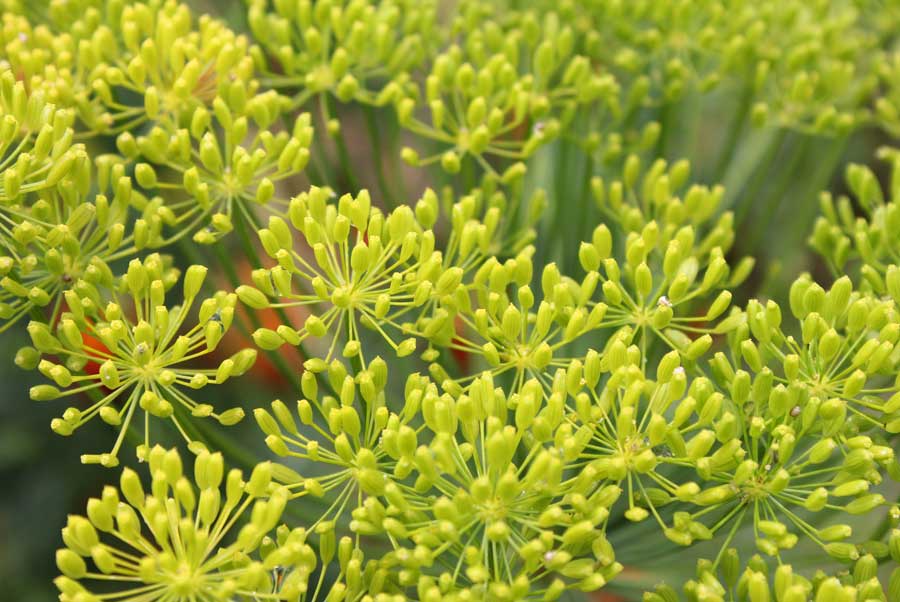
After the flowers you will receive a great harvest of Fennel seeds for the kitchen
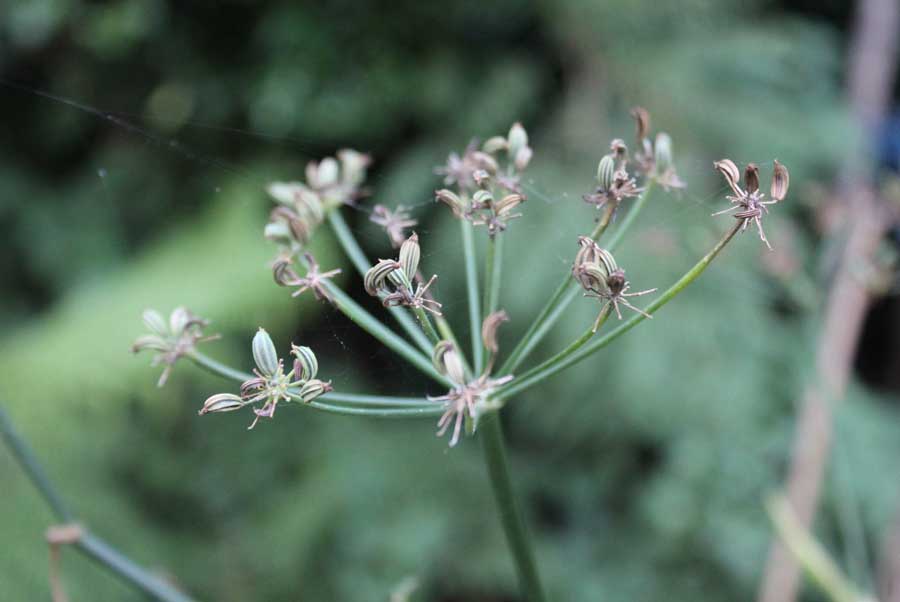
Fennel seed heads - nice to leave some for the birds
Top 2 varieties
1. de Firenze
A traditional variety that grows quickly to form firm, aniseed-flavoured bulbs. Best sown in spring and early summer for summer/autumn harvest.
2. Romanesco
A great summer-sown variety with very large white, crisp bulbs that have characteristic fresh aniseed flavour. Better if grown from late summer into autumn.
Getting started
When
Sow outdoors from May to July. Alternatively, in warmer regions you can sow inside greenhouses in early Spring. If sowing in later summer (July to early August) use bolt resistant cultivars.
Where
Fennel grows best in full sun but in my garden it also grows well in partially shaded beds. It grows to about knee height.
Soil
Fennel likes soil that drains well rather than holding onto moisture for any length of time. Soil should have well-rotted animal manure or compost dug through it – but not too much. Ensure that soil has been well dug over to incorporate any added ingredients. You want everything to be well mixed and lump free. Think of a slice of banana cake where you can see the integrated ingredients making a balanced range of tones and textures. Your soil should resemble this when you grasp a handful and spread it across your palm. The organic material that is made up of compost, manure etc. not only provides nutrients but will also hold a little moisture temporarily so that it can be utilised by fennel plants before draining away.
Sow & plant
Sow
Fennel is best sown straight into the garden during the main season or planted as a seedling – either grown by you or shop bought – from late spring to mid summer.
To sow: You can sow in rows or patches. To sow a row, draw your finger along the soil’s surface so that it makes a narrow trench about a finger tip deep and wide. Drop seeds into this trench so that you can see seeds all the way along it about a finger length apart. Smooth soil back over seeds, mark rows and water with a gentle shower from your watering can. If you are sowing a patch then scatter seeds at about a finger’s length all round from each other and gently push them a finger tip deep below the soil. Cover your holes with loose soil and water as already mentioned.
Plant
If planting seedlings try and choose a cool, overcast day and ensure you water your seedlings before you transplant them into your beds. Seedlings should be spaced about a hand’s length apart.
Maintain
As your seedlings start to grow keep soil moist with additional watering if conditions are dry. Thin seedlings sown directly into beds when they are easy to get hold of – somewhere between a half and a full thumb length in height. Ideally, when thinning is done, you will end up with each plant about a full hand’s length apart. If you are planting in rows these should be around a generous hand’s length apart. Mulch around the base of your fennel plants as they start to swell – you can do this by covering the bulb with newspaper and then pushing soil up against the white part of the base or using something like fine straw which you can spread around to suppress weeds and keep in moisture (the newspaper stops soil falling into the bulb’s layers). To arrive at a harvest of juicy swollen bulbs keep moisture constant during dry periods. Depending on how well you have composted the soil you might want to give your developing plants an extra boost with some liquid seaweed or worm juice every couple of weeks.
Keep an eye out for slug damage overnight. If you see evidence of attack then go on a slug hunt and utilise slug control methods.
Aphids can be a problem. Treat any visible infestations with Neem oil, Garlic oil spray or Tomato leaf spray.
Harvest or pick
Fennel bulbs can be harvested once they have swollen and are anything from the size of your average home-made muffin to a large, juicy mango. Generally spring-sown fennel produces the fattest bulbs and late summer-sown fennel produces a slightly leaner crop. Simply cut across the base of your bulb and leave the ‘stool’ or bottom part in the ground to re-grow more bulbs from side-shoots. We always let one or two of our plants elongate their stems to form flowers and then set seed which we dry for cooking and baking. The seeds are quite a tasty chew on their own – rather sweet and aniseedy – kids love them.
Allow a couple of plants to flower – they’ll attract beneficial predators such as hoverflies. Leave these plants to set seed and next year you’ll have self-sown fennel popping up all over your garden for free!