




Lettuce
Grow
Lactuca sativa
An easy going, fast growing favourite leaf the world over, lettuce can be grown outdoors from spring through to autumn – the protection of a greenhouse, cold frame or polytunnel will allow you to expand your growing cycle into the cooler months of the year. One of the easiest and most instantly rewarding plants you and any young gardeners you may have around can sow. As well as being a key salad ingredient, lettuce has found its way into soaps and skin lotions – particularly for the treatment of sunburn.
In a nutshell
- Sun/part shade
- Rich crumbly soil
- Easy to grow from seed
- Great for kids
- Short time to harvest
Quantity
6 plants per person
Companions
- Cucumber
- Onion
- Radish
- Carrot
- Dill

The growing lifecycle
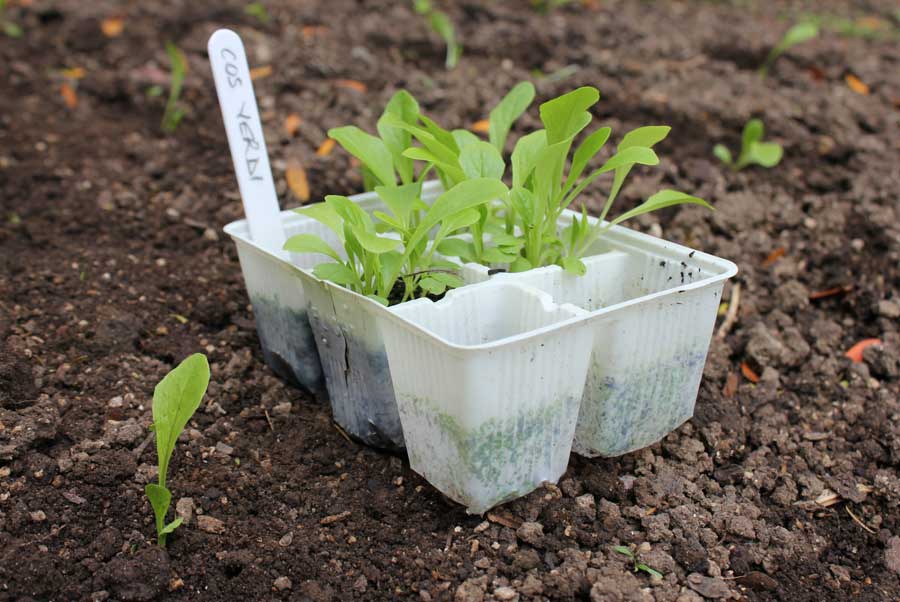
Lettuce seedlings grown in a tray of punnets
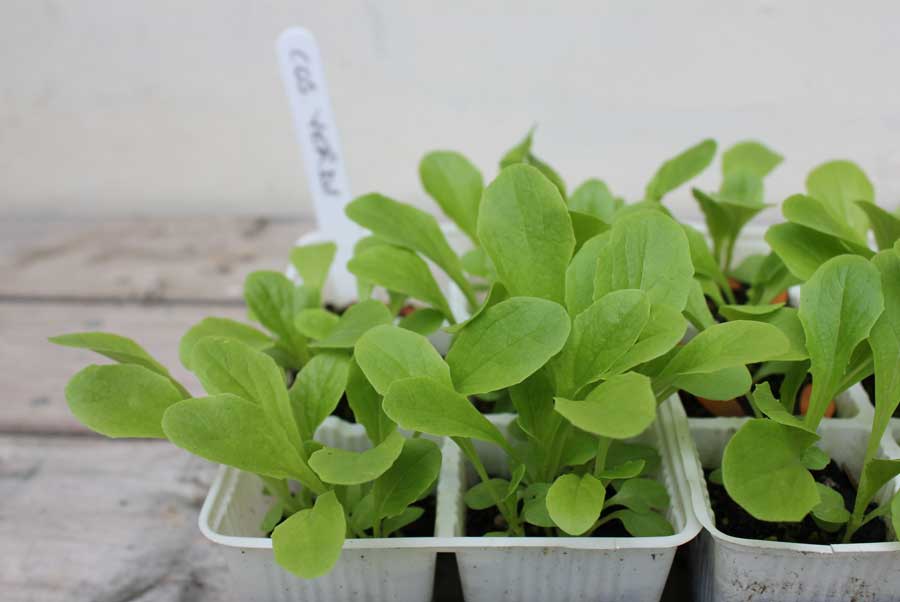
Lettuce seedlings ready for planting out in beds and containers
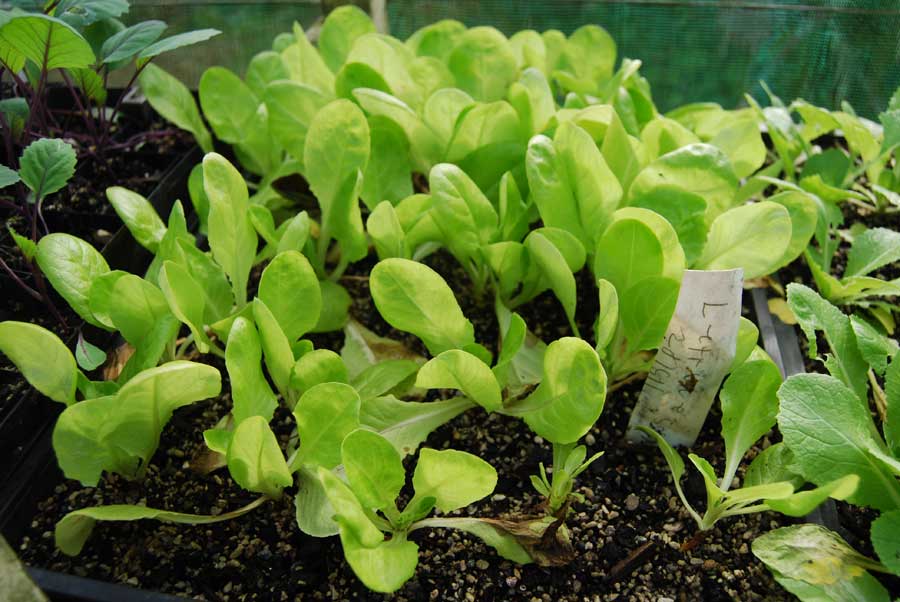
Lettuce seedlings growing in a seed tray

Newly planted Lettuce seedlings

A healthy looking Lettuce seedling with a layer of mulch surrounding it

Lettuce seedlings growing as a catch crop alongside garlic

A Lettuce large enough for outer leaves to be carefully harvested - or to be harvested whole

Lettuces ready for harvest

A lovely looking Lettuce
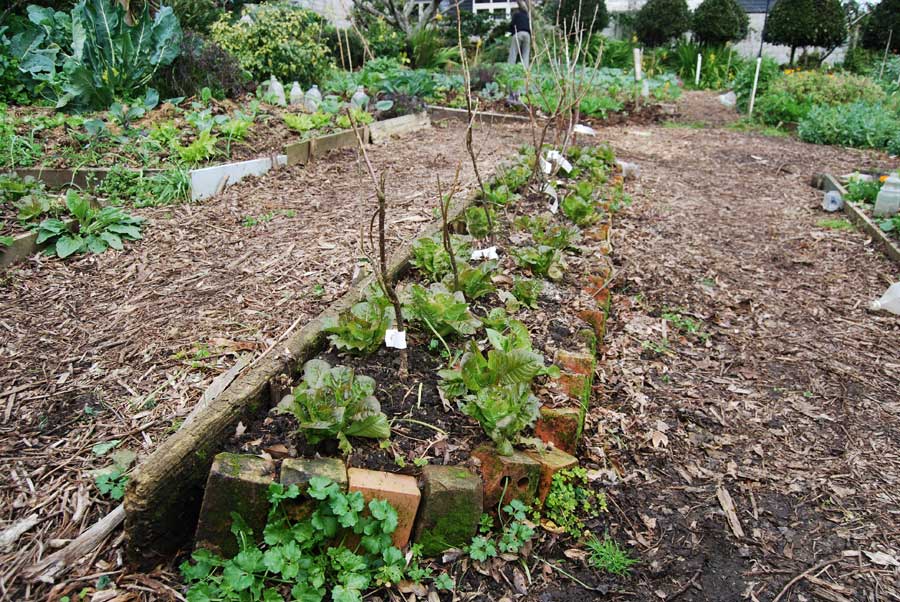
Lettuces growing in late Spring around the base of currant plants
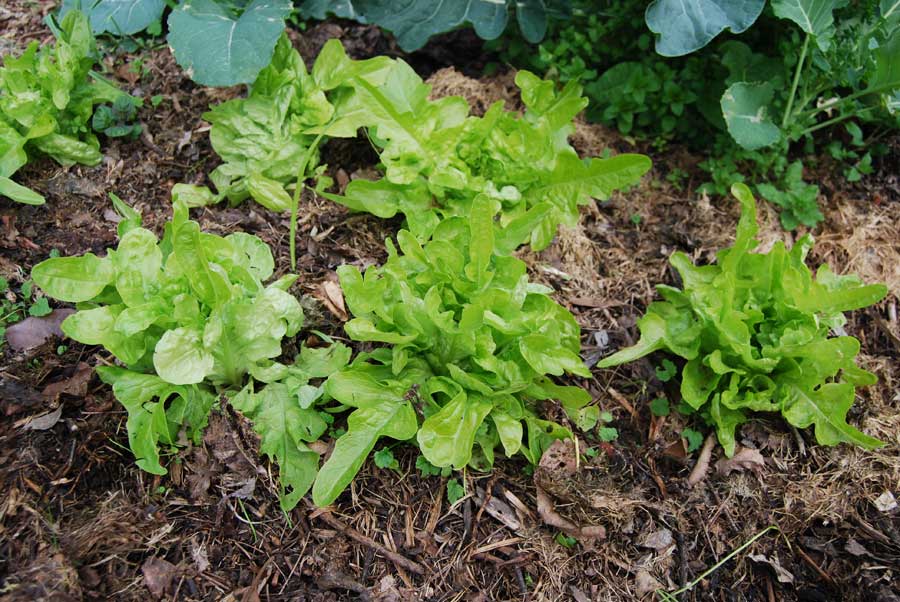
A group of 'Cerbiatta' Lettuces

Cos Lettuces growing in a row - now ready for the kitchen

Lettuce 'Endive Can-Can'
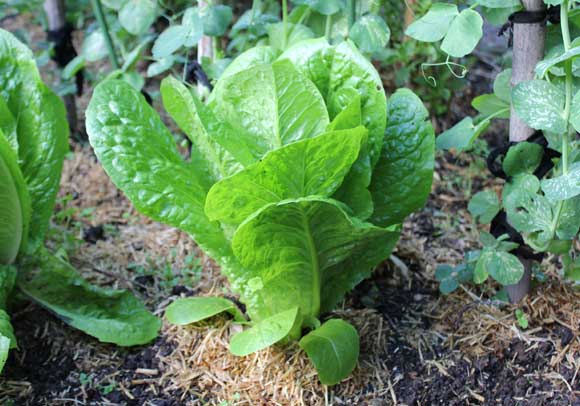
A fine Cos Lettuce
Top 11 varieties
1. Cos
A fast growing lettuce variety – also known as ‘Romaine’- crisp, firm leaves form a dense heart at the centre. Often grow to an elongated shape.‘ Little Gem’ (one of the earliest varieties to mature) is a small growing Cos variety with deliciously sweet crisp leaves.
2. Paris White
The lettuce variety behind Caesar salads with a tall, conical head of light green leaves and a crisp, white heart.
3. Freckles
Very attractive light green leaves covered in red freckles. Heat tolerant so good for sunny, summer gardens.
4. Looseleaf
These are open-growing varieties with loose leaves that do not form a tight, crisp head. Often harvested just a few leaves at a time. Mild in flavour. Try 'Wild Garden Mix' for a range of colours.
5. Oak Leaf/Mascara
Highly productive lettuces with oak-leaf shaped leaves. Choose from purple 'Red Salad Bowl' or green 'Salad bowl'. Can be grown as 'cut and come again' or to full maturity or you can keep taking side leaves to stimulate a longer harvest.
6. Lollo Rosso
An Italian variety with attractive frilly edged, wavy leaves that are light green at their base and red at their tips. Doesn't form a heart. Easy to grow.
7. Buttercrunch
Forms a small, rounded tight head with crisp leaves that stay sweet even when plants are mature. Loves sunshine and is resistant to bolting. Good for growing in spring and autumn.
8. Thom Thumb
A compact butterhead variety - in fact one of the smallest lettuces - that produces dense, sweet and tasty heads. Great for container growing, window boxes and small gardens.
6. Crisphead
A medium sized ‘Iceberg’, lettuce with dense a heart of crisp, crunchy leaves. Tolerant of summer heat.
10. Great Lakes
A very popular 'Iceberg' variety that produces a large rounded head of dark green, frilled leaves. Resistant to heat – so a good summer variety.
11. Ice King
A fast growing variety with crisp, sweet leaves and a nicely formed dense heart.
Getting started
When
Grow outdoors from April to July for crops through summer into autumn. You can sow as late as August for an autumn/winter crop but cover plants with cloches once September rolls around and harvest before mid October.
Growing inside a greenhouse will allow you sow seed earlier (in Feb and March) and continue cropping plants into late Autumn. Remember to wind down your crop before temperatures under 5°C come round. Also keep in mind some varieties won’t handle the heat of a greenhouse in mid-summer.
Where
Lettuces like a sunny spot but can tend to wilt and become bitter tasting if they get too much sun in summer. If your plot gets full sun all day then try and offer a little shade during the hottest part of the day or plant your lettuces between other vegetables such as rows of carrots and onions. Lettuces grow so fast they are often sown as a ‘catch crop’ that matures long before neighbouring, slower plants – such as sweet corn, carrots, tomatoes, cabbages and beans – are ready. If you plant them in containers then you can choose your spot– they don’t need too much soil so you can even grow them in a bucket or a window box.
Soil
Lettuces like rich soil that holds onto some moisture. This sort of mix should have visible particles of rotted organic material through it – kitchen compost, rotted manure and the like – which provides nutrients and helps to hold onto water. Because they are relatively fast growing leafy greens lettuces are hungry feeders and need the nutrients that come with this essential organic material – especially if they are going to be lush and juicy. Give your soil a good digging through before you sow and rake to a level so that there are no big lumps that might hinder sprouting seeds or delicate roots of seedling plants.
Sow & plant
Sow
Lettuces are best sown directly into your garden beds or containers but they can also be sown indoors into trays or punnets to get a head start before spring warms up. This also to gives them more of a chance of withstanding slug and snail attack (These slimy salad fans can take out small seedlings overnight). Drag your finger, stick or trowel handle across the surface of your soil or seed compost to make a channel or ‘drill’. This should be about a half finger-tip deep and about the same width. Alternatively scatter seed over your chosen area if rows aren’t your thing. Sprinkle seeds so that you can see one every finger width apart. Brush soil back across your seeds and gently firm with light hand pressure – as if you are pressing on a sandwich before cutting it. Then water with a watering can fitted with a shower rose.
As your seedlings develop, keep soil moist with additional watering if conditions are dry. Thin seedlings when they are easy to get hold of – somewhere between a half and a full thumb length in height. Ideally, when thinning is done, you will end up with plants about a full hand’s length apart from one another. If you are planting in rows they should be around a foot away from each other.
Plant
If you are planting seedlings then pop them in about a hand’s length apart. Seedlings can be protected against, rain and slug attack with juice bottle cloches. These are removed when foliage has outgrown them and is bunching up against the interior.
Maintain
Keep an eye out for slug damage. Seedlings are particularly susceptible and can be wiped out overnight. If you see evidence of attack then go on a slug hunt and utilize slug control methods.
Depending on how well you have composted the soil you might want to give your developing plants an extra boost with some liquid seaweed/worm juice. Avoid using liquid feeds on plants you aim to eat within 24 hours as you might ingest bacteria that – whilst good for your garden might not receive a warm welcome from your digestive system.
Harvest or pick
Many lettuces can sustain the odd outer leaf being pilfered as they mature. Crisphead, Butterhead and Cos varieties are ready for cutting when you gently grasp their heads and feel firm, leafy resistance. Leafy Loosehead varieties like ‘Oakleaf’ can be pilfered constantly without taking out the whole plant.
Sow every few weeks and try different varieties to prolong your salad days.