When we plant seedlings there is a risk that they may suffer from what is called ‘transplant shock’. Transplant shock is caused by delicate seedlings suffering stress and damage as they are taken out of their container and planted into the garden. Roots and stems can be crushed and, as a result, plants can grow stunted, with reduced yields and increased vulnerability to pests and disease. Signs of ‘transplant shock’ are curling or wilting leaves that become pale and discolored, drooping stems and plants collapsing altogether. Avoid transplant shock by following these easy guidelines:
TIPS:
Seedlings grown in greenhouses, cold frames or on a windowsill are accustomed to comfortable, stable conditions and should be planted out on a mild day – ideally when no frost, gales, torrential rain or other harsh weather is forecast.
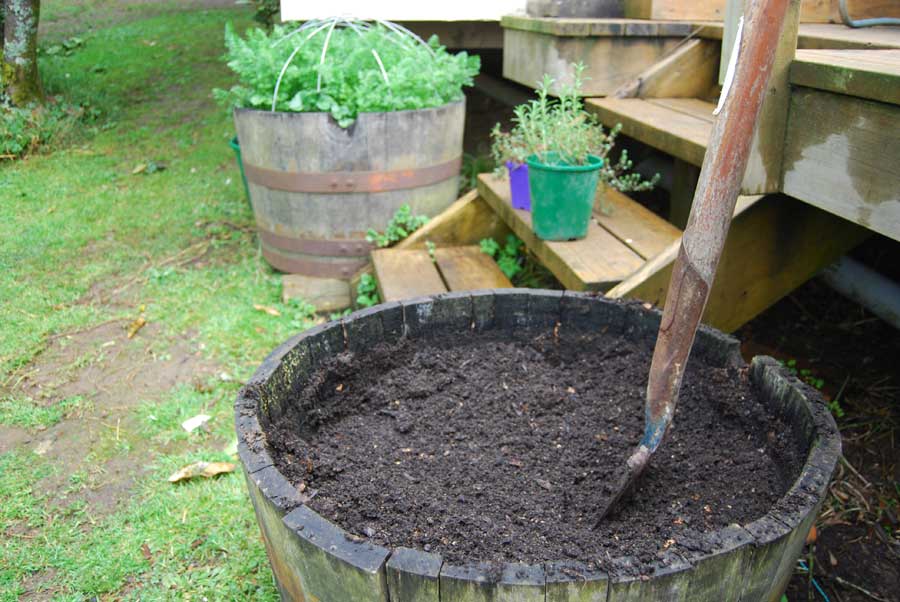
Prepare the planting area well.Ensure soil or planting medium is right for the plants – for instance enriching for hungry seedlings or improving drainage for those that like it hot and dry.
Soak seedlings with water before they are lifted from their pot or punnet.
Handle seedlings as little as possible during the planting process, have your hole ready so you can pop them in straight away.