




Lemongrass
Herbs
Cymbopogon ciratus
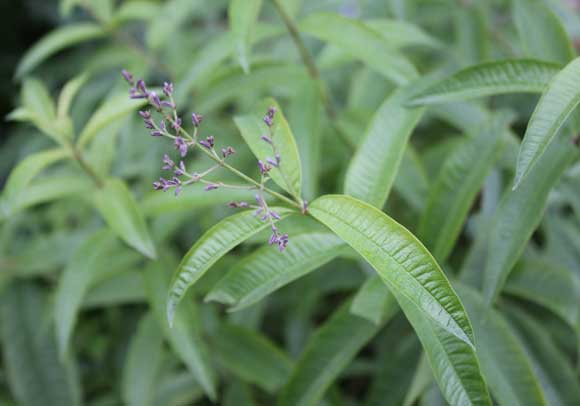
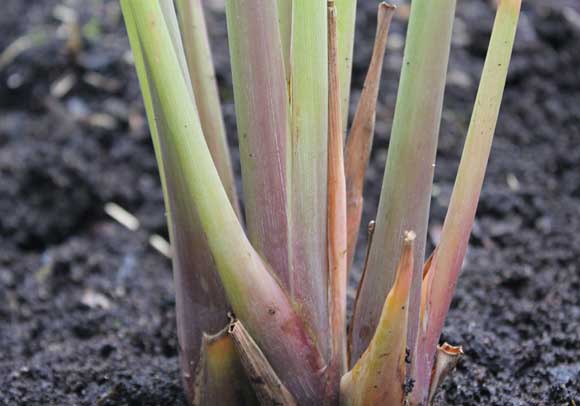
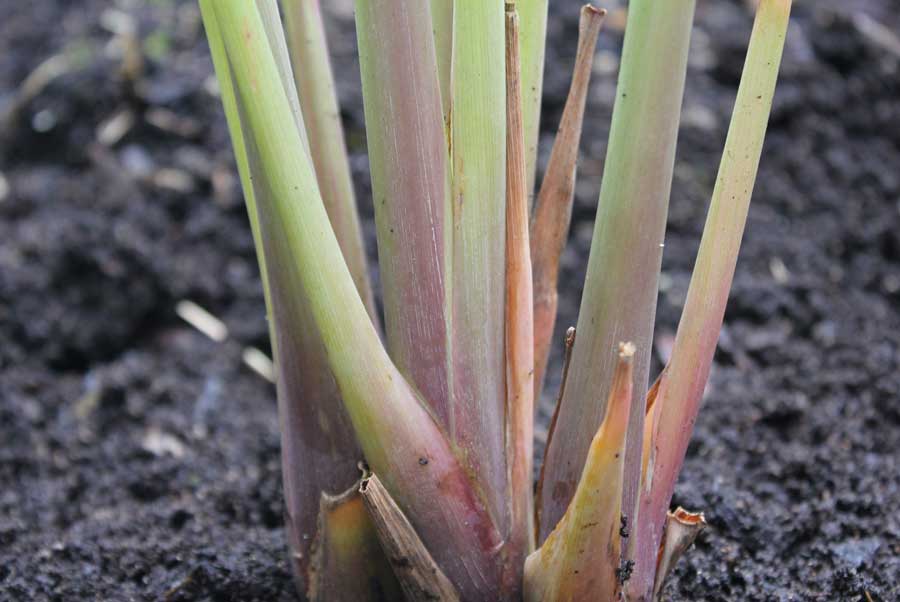
Lemongrass is a tall growing grass with fat lower stems that have swollen bases. A bit like a giant spring onion, it is the lower part of the plant that is most sought after for culinary use. Lemongrass has a sweet, pungent lemony fragrance that is called upon in many Asian dishes. Most at home in a warm, humid location it is ideal for growing in warmer parts of the north island. Lemongrass is slightly frost tolerant but can easily be grown in a container and protected during cold weather in parts of the country that get regular hard frosts in winter. Lemongrass forms as clump of crowded stems and a single plant can be productive for many years. Lemongrass stems or leaves, steeped in boiling water, make a delicious, soothing tea that is said to aid sleep.
In a nutshell
- Grow from divisions
- Likes fertile well drained soil
- Sun
- Grows well in containers
- Cooking ingredient, makes a soothing tea.
Quantity
- 2 plants should suffice for most families.
Companions
- Mint
- Lavender
- Sage
The growing lifecycle

Getting started
When
Plant early spring and summer.
Where
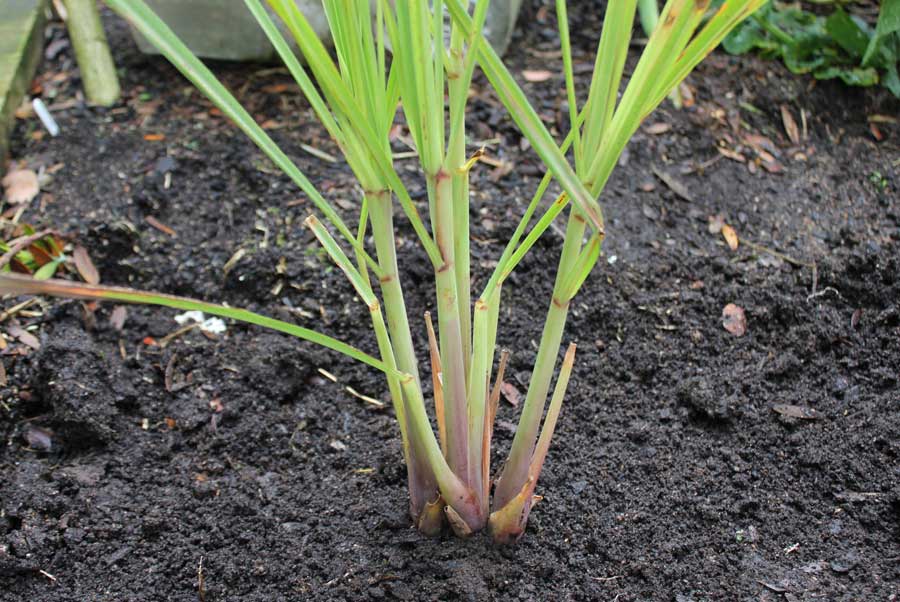
Lemongrass grows best in full sun. It grows to around waist height – maybe a bit more – depending upon soil type and location. Lemongrass makes a large clump of swaying foliage that is an attractive sight in itself.
Soil
Lemongrass needs a fertile free draining soil.


Sow & plant
Plant
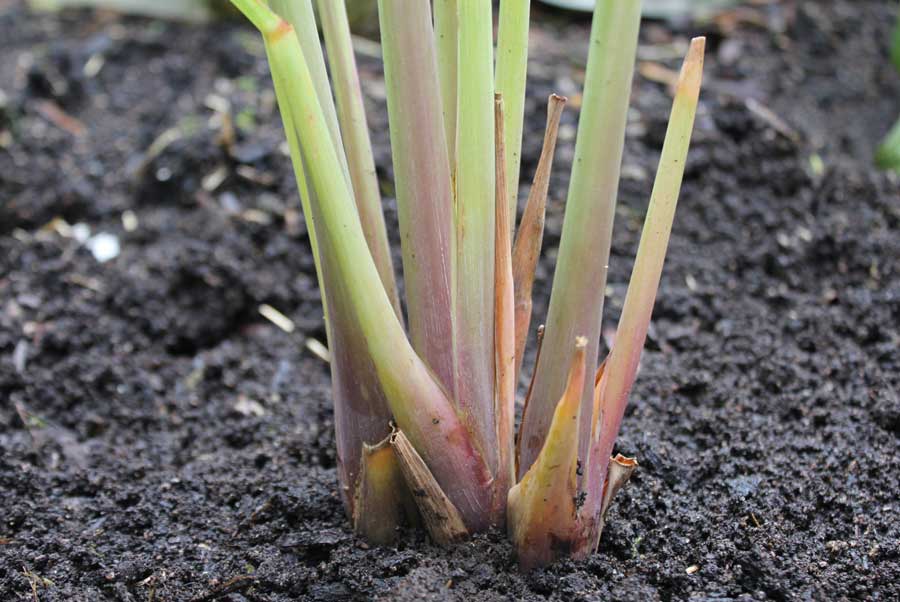
Place lemongrass plants about a stride apart. Prepare soil by digging in plenty of rotted manure and compost.
If planting in a container make sure it is big enough – something about the size of a half barrel or tyre stack should do the trick. Mix a rich planting medium with compost and well-rotted manure.
Maintain
Water plants in hot, dry periods. Mulch to retain moisture and feed with a mulch of well-rotted manure. Watering is reduced in winter.
Water container grown pants regularly to maintain soil moisture. Feed with liquid worm. juice every few weeks in summer.