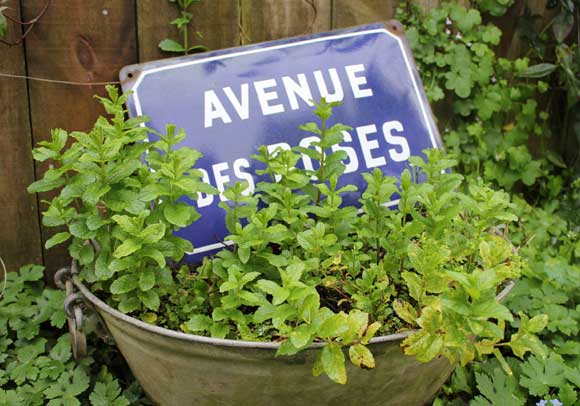





Sorrel
Herbs
Garden sorrel - Rumex acetosa. French sorrel – Rumex scutatus
Sage is a highly productive perennial herb that grows into a medium-sized shrub up to around waist height. Common sage is evergreen which means it holds its dusty grayish green rounded leaves year round. There are also varieties available with purple and variegated green and yellow foliage. These coloured varieties allude to the fact that sage is often seen to make an aesthetic contribution to a garden – thanks not only to its foliage but also to its mature size. As such, like rosemary, sage can be used to give a vegetable or flower garden structure throughout the year. Sage is very popular with bees when it’s nectar-rich, blue flowers open in late spring and summer. These flowers also look great in salads.
In a nutshell
- Easy to sow from seed
- Likes rich moist soil
- Sun or part shade
- Grows well in containers
- Fresh citrus taste
Quantity
1 or 2 plants should suffice for most gardens.
Companions
- Strawberry
- Blueberry
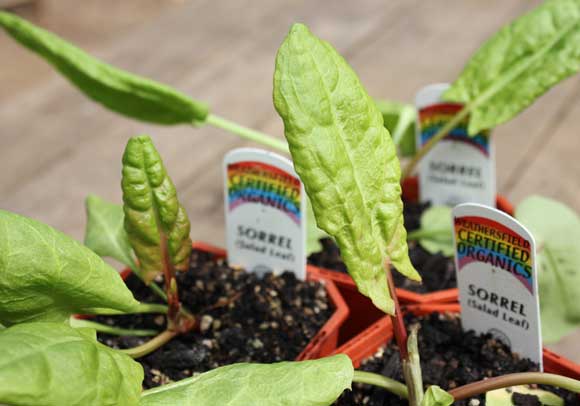
The growing lifecycle
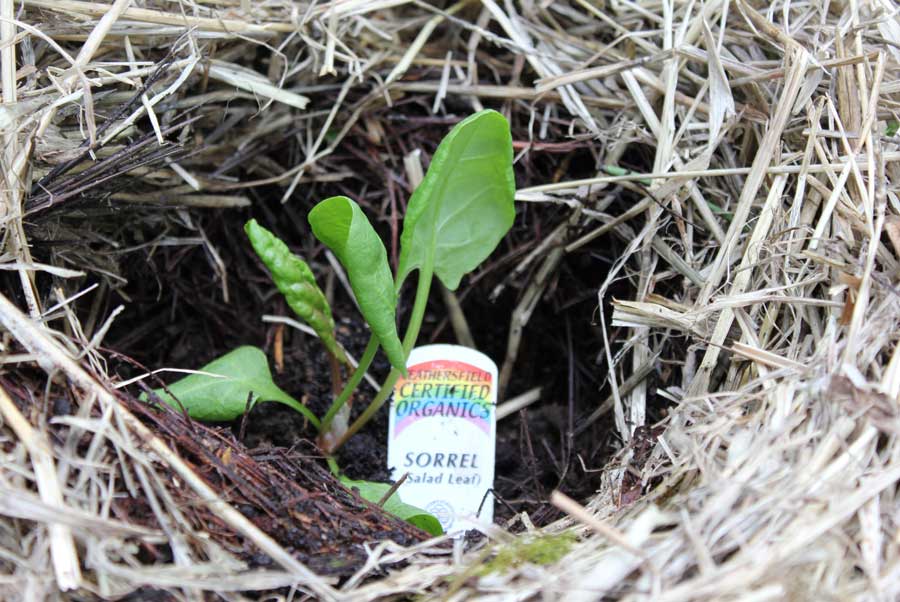
Getting started
When
Plant or sow in early spring and summer.
Where
Sorrel grows best in full sun in cooler parts of the country and should be protected from midday sun in hotter parts of the country. It grows to around knee height depending upon soil and location. Sorrel can be grown in containers.
Soil
To grow tender leaves for kitchen use plant sorrel in a slightly moist soil with organic material such as compost or rotted manure dug through it.
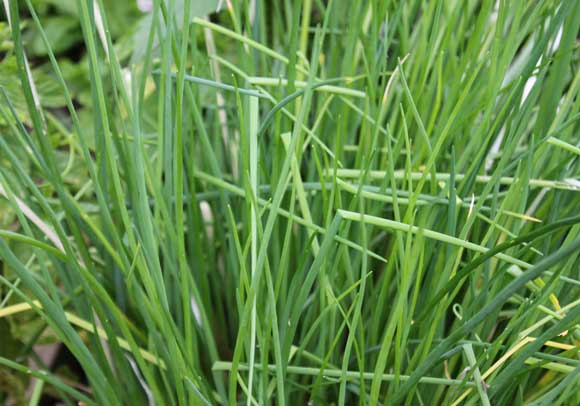

Sow & plant
Plant
Sorrel is best grown from root cuttings or seedlings.
To take a root cutting: If you have a friend with an established plant then grub away soil from the side and using a spade or an old knife cut away a section of root with leaves attached. Trim leaves back to about a thumb’s length above ground before planting into your garden or container with roots beneath the soil as they were when you took the cutting.
Plant seedlings and cuttings at an average spacing of a good hand’s length apart.
Maintain
Water young seedlings in dry periods. Mulch to retain moisture and feed every few weeks with a liquid worm juice or compost tea to boost foliage growth.
Break off flower heads as flowering and setting seed can weaken plants. Alternatively you might allow a single plant to flower and set seed to see if you’ll be rewarded with a range of plants in all sorts of unexpected places next spring and summer.