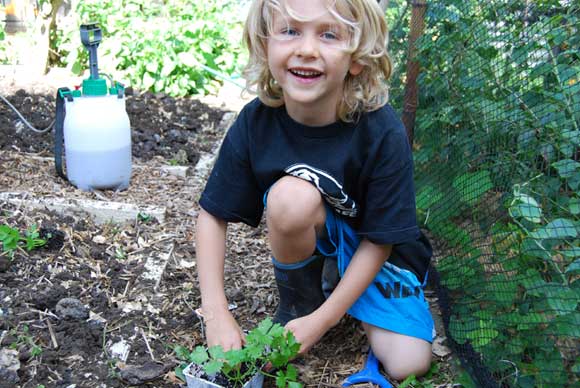





Sowing seeds into cells
A range of seeds can be sown in late winter and early spring in anticipation of warmer weather.
A range of seeds can be sown in late winter and early spring in anticipation of warmer weather.
FOR SOWING SEED in plastic or biodegradable pots, the process is the same:
A range of seeds can be sown in late winter and early spring in anticipation of warmer weather. Sowing seeds indoors or in a greenhouse allows us to get a head-start so that we have seedlings ready to go out into the garden as soon as weather conditions and temperatures permit. The sort of plants that benefit from this early start are a range of summer crops that have high yields but need a good run of sunny days to reach maturity – things like runner beans, cucumbers, melons and pumpkins. In cooler parts of the country sowing indoors is especially key in getting crops such as melons and pumpkins to ripen before summer is over.
Seeds are often sown in plastic pots for sale in nurseries. At home you can sow seeds into biodegradable pots, its an ideal way of getting healthy seedlings ready for their days outdoors and reducing the chance of delicate seedlings being damaged or suffering transplant shock when they are put out into garden soil or containers. Seedlings grown in plastic punnets or pots have to be carefully lifted out when they are planted, roots can easily be damaged at this stage and plants may grow stunted as a result. Seedlings grown in biodegradable pots made from peat, recycled toilet roll centres or made from newspaper can be put into the ground whilst still in their containers that quickly fall apart when surrounded by soil. Young roots are protected and can get away quickly without plants being stressed.

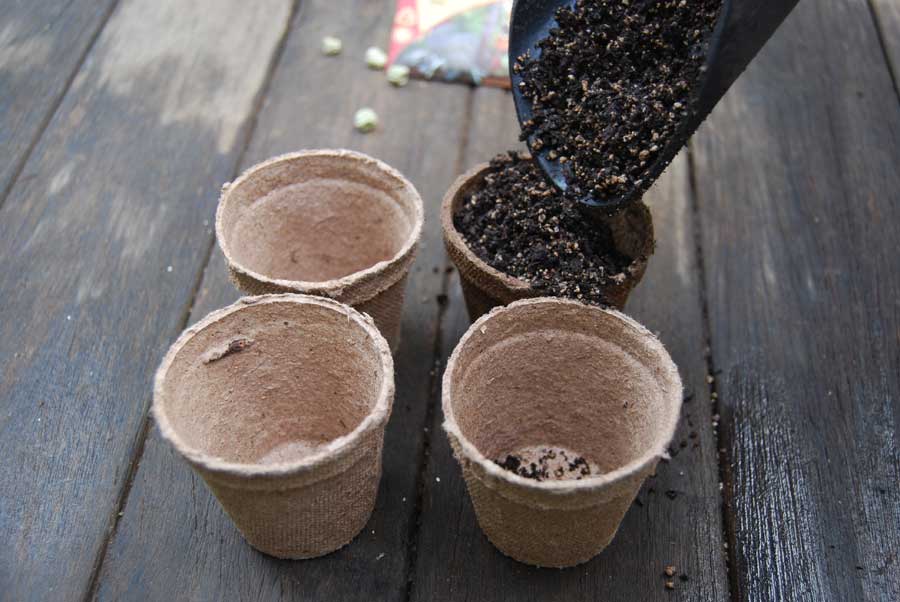

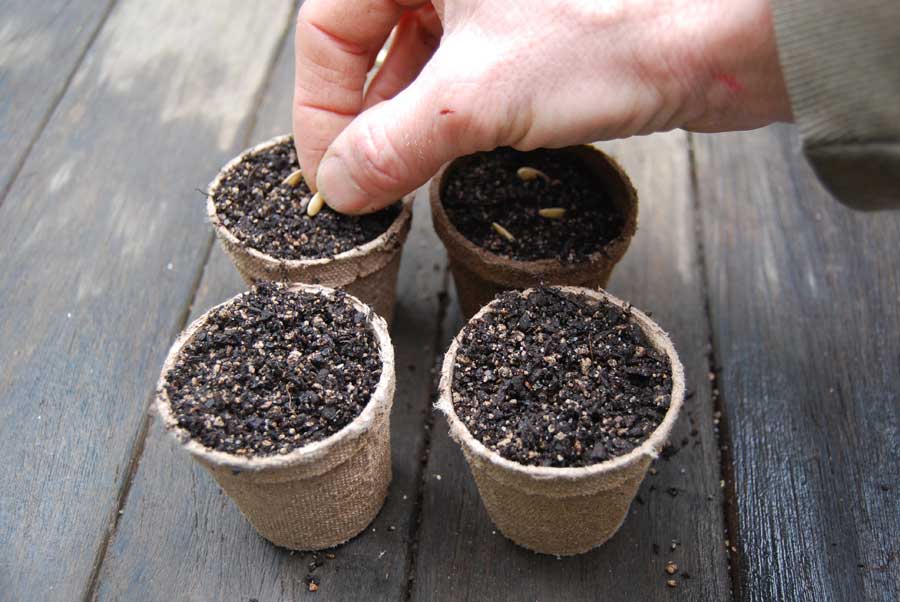
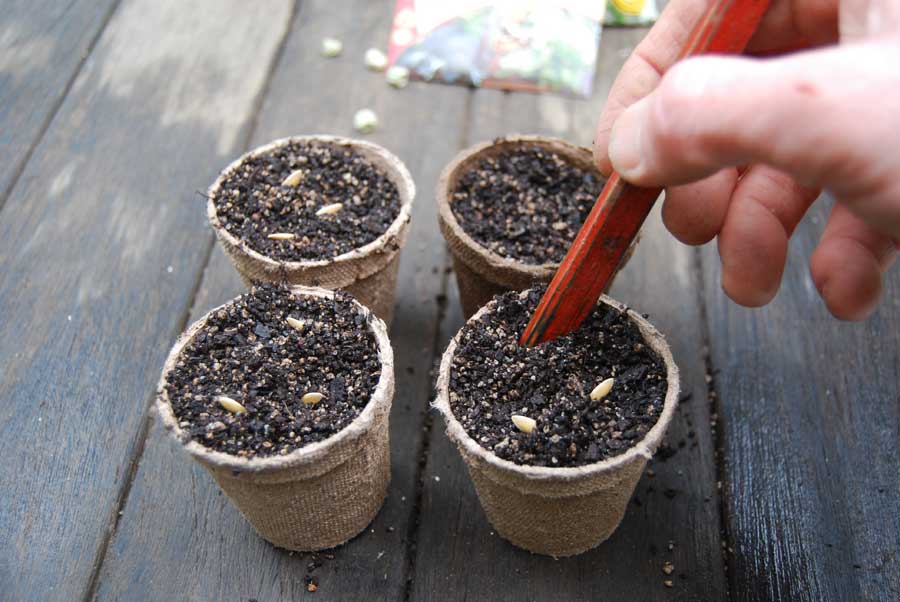


Pots, seed raising mix, seeds, watering can, labels.
TIP: Soaking seeds for an hour or so before sowing can help to stimulate germination.