




Tomatillo
Grow
Physalis ixocarpa Mexican tomato, Husk cherry
Tomatillos are related to Cape Gooseberries and are very similar to them in appearance except that the husks surrounding the fruit and their rounded tomato-like contents are a bit larger. More significant is the taste difference, tomatillos have a particular tartness to them that makes them a staple of Mexican cooking especially in ‘Salsa verde’ and is the reason they are considered a to be a vegetable. These white-fleshed, firm green fruits are produced in summer, they look a bit like a large unripe cherry tomato. The plants themselves are very easy to grow in the right conditions often staying small and dying back in winter, they can get up to about waist or even chest height. Good for growing countrywide during summer. In winter they will be cut down by frosts.
In a nutshell
- Easy and fast to grow
- Grow countrywide in summer
- Most soils with good drainage
- Tart green fruits
- Used in Mexican cooking
Quantity
- 1 – 3 plants per household – depending on how well they get on. Two plants greatly improves yield through more effective pollination.
Companions
- Marigolds and nasturtiums to attract pollinating bees.
- Basil
- Mint
- Chives
- Sage
- Parsley
- Garlic to repel insect pests
- Capsicums
- Carrots
- Onions
The growing lifecycle
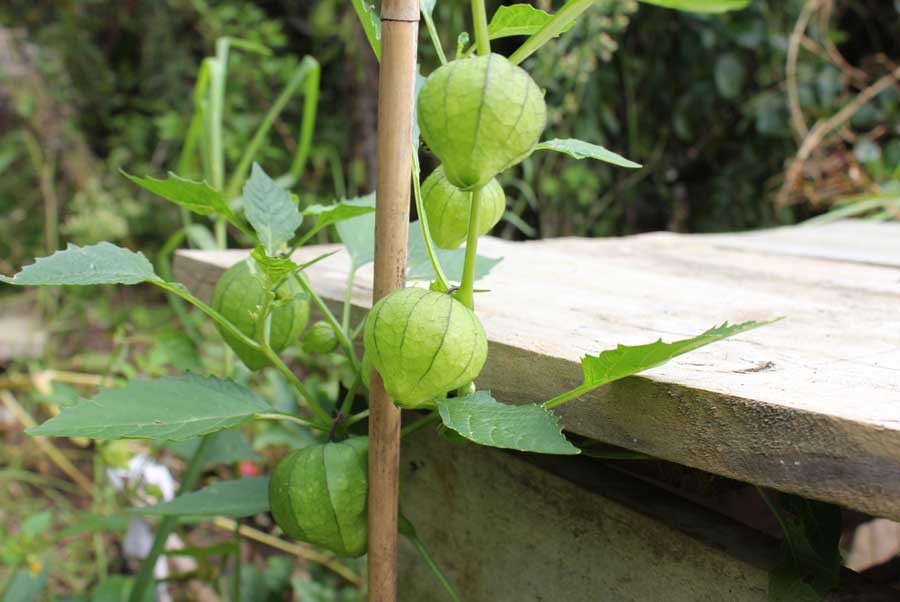
Tomatillo fruits in their papery lantern-like casings

Tomatillo fruit ripening
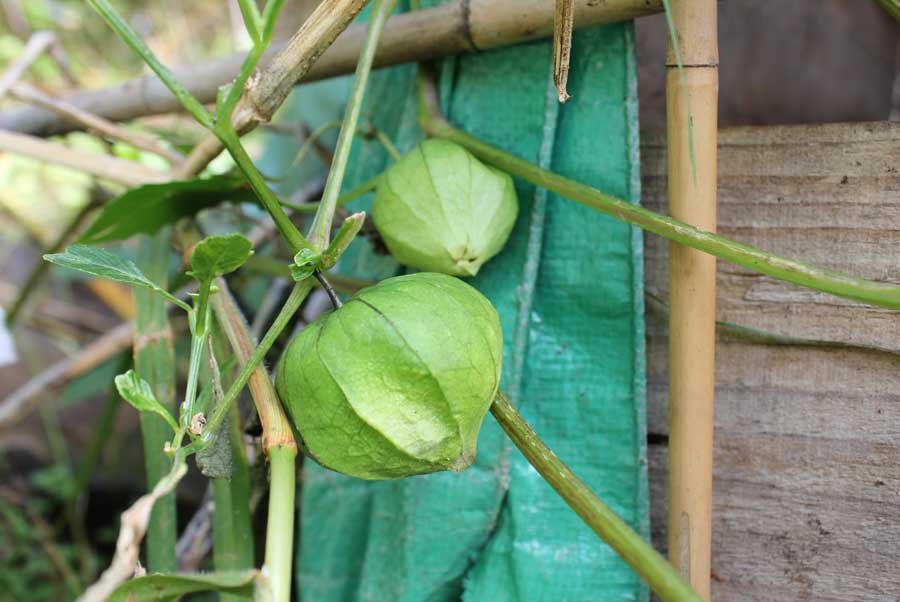
Tomatillo fruit ripening
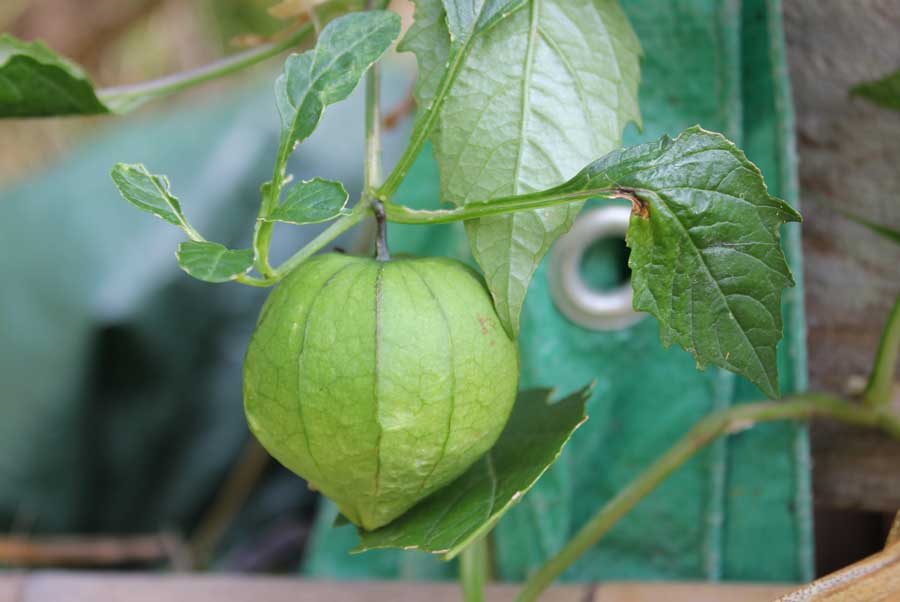
Tomatillo fruit ripening
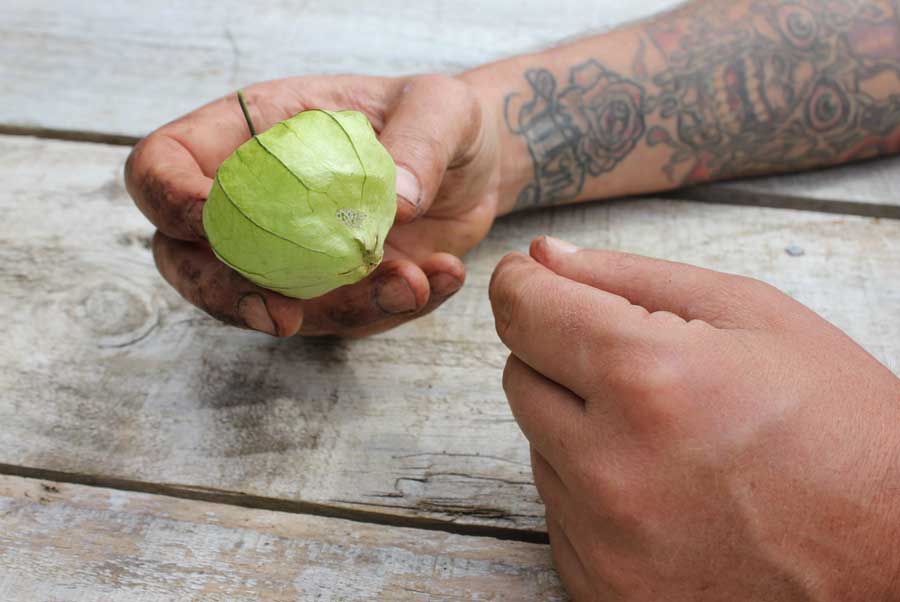
With its casing staring to dry out and go papery - as well as splitting at the end - this tomatillo is ready for the kitchen
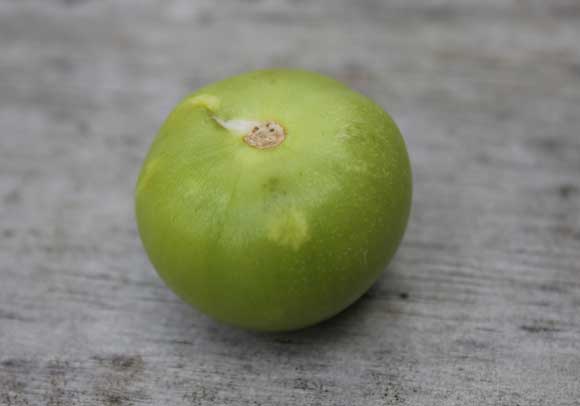
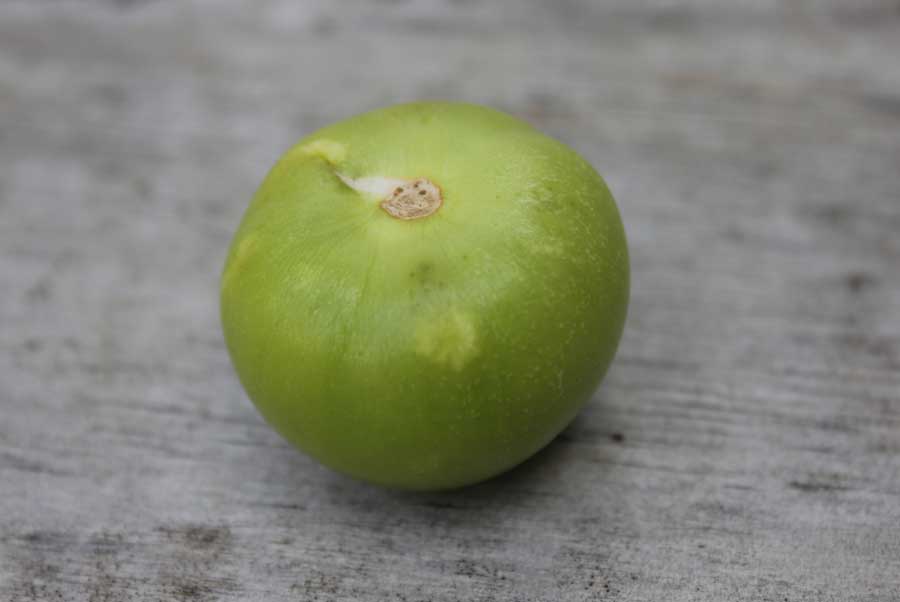
The green tomato-like fruit of a tomatillo with its papery casing removed
Top 2 varieties
1. Verde
Heirloom variety with large green fruits. Heavy cropping plants that produce a relatively early harvest.
2. Purple
Striking deep purple fruits with pale greenish flesh that tastes sweeter than green varieties. Needs a really sunny spot to ripen to its fully lustrous purple colour.
Getting started
When
Its best to start them off indoors in April. Similar growing period to tomatoes, if planting outdoors wait until late May once the frosts have passed.
Where
Plant Tomatillos in full sun and protect from strong winds that can be damaging to the brittle stems.
Soil
Tomatillos grow best in a rich, fertile free-draining soil that doesn’t get too water-logged after rain – a good garden soil with compost dug through should do fine. They also grow really well in containers as long as watering is kept regular.
Sow & plant
Sow
Like tomatoes, tomatillo seeds are usually sown into pots of seed raising compost about 4 to 6 weeks before they are to be planted out. Potted seeds are grown on a warm window sill, or in a greenhouse/cold frame in warmer areas until they are ready. When they have at least 2 or 3 sets of leaves they are large enough to plant out.
Plant
When weather has warmed sufficiently and there is no longer any risk of frost, seedlings can be planted out in the garden. Plants should be spaced a single stride apart. Soak them in water before planting them.
Prepare the planting area. Soil should be weed-free and well dug through to at least a full spade’s depth. Place plant in a hole that is just larger than the container it came in. Back fill around root ball making sure there are no air pockets. Water well.
If planting in a container use standard potting compost enriched with rotted compost or manure that should help to provide essential nutrients and hold onto some moisture after watering. It is still important to ensure containers have drainage holes and do not collect water.
Maintain
Keep plants weed free and mulch to retain moisture. Water when weather is dry. Always water at the base of plants – avoid splashing foliage as this can spread fungal disease.
Feed: Depending on how well you have composted the ground you might want to give your developing plants an extra boost with some liquid seaweed or worm juice but generally tomatillos are not fed too much. Over-feeding can generate lots of leaf and not much fruit.
Flowering: Tomatillos flower in early summer, they are pollinated by bees – having two plants can help to improve pollination and increase yields.
Care: Protect from slugs and snails.
Harvest or pick
Fruit are formed from early summer and plants can remain productive right through summer and autumn into winter. The small lantern-like husks are green when they first form and fruits inside most varieties will be green too. Wait till the lanterns split before harvesting. Fruit should still be green inside and should feel firm, although the husk may by now have started to fade slightly to a pale brown. Regular picking keeps fruit ripening. If you intend to store your tomatillos before using then keep the husks on after picking them.
Tomatillos can keep for weeks on end when stored in a dry, ventilated container in or out of the fridge. All parts of fruit – apart from husk – are edible. Tomatillos can be frozen whole or chopped. Wipe off sticky residue on skins before using.
Pests
Slugs and snails will eat the soft stems and leaves – so go on night patrols. If grown in soil that is not free draining they may develop mildew in mid to late summer – improve drainage or grow in pots instead. Aphids can also colonize plants if they go unnoticed – use garlic, tomato leaf or Neem oil spray.